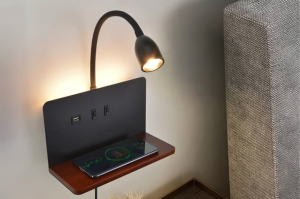
Revolutionary Rechargeable Magnetic Stick Light
So, you’re looking for a practical lighting solution that’s more versatile than your average flashlight and less of a commitment than installing fixed fixtures? A rechargeable magnetic stick light might just be what you need. These devices are essentially portable, battery-powered LED strips or bars with integrated magnets, allowing them to attach to various metal surfaces. They offer a flexible and often hands-free way to illuminate dark spaces, making them useful for a wide range of tasks, from finding dropped items under the car to lighting up a closet or workbench.
Let’s face it, we all have those inconveniently dark spots. Whether it’s a cupboard that swallows light, a car bonnet that casts shadows on essential engine parts, or a power outage that leaves you fumbling, traditional lighting often falls short. This is where the magnetic stick light really shines – literally.
Beyond the Basic Flashlight
Think about a standard flashlight. You hold it, or you prop it up precariously, hoping it doesn’t roll off. A magnetic stick light offers a hands-free experience. You simply snap it onto a metallic surface, direct the light where you need it, and your hands are free to work, explore, or just hold your coffee. This might seem like a small detail, but in practice, it’s a game-changer for many tasks.
Portability and Versatility
Because they’re rechargeable and compact, these lights are designed to go wherever you do. From camping trips to home repairs, they can easily be packed and moved. Their magnetic attachment means they can stick to toolboxes, refrigerators, car frames, and more, offering quick, temporary illumination exactly where it’s needed. This adaptability distinguishes them from fixed lighting which is, by its nature, immobile.
Key Features to Look For
Not all magnetic stick lights are created equal. When you’re sifting through the options, keeping a few practical features in mind will help you find one that genuinely meets your requirements.
Lumens and Beam Spread
Lumens essentially tell you how bright the light is. For general utility, something in the range of 100-300 lumens is often sufficient. If you’re lighting a larger area or need intense detail, you might look for 500 lumens or more. Beam spread refers to how wide or narrow the light projects. Some stick lights have a focused beam, while others offer a wider floodlight effect. Consider where and how you’ll be using the light: a wide beam is good for general area lighting, while a narrower one is better for intricate tasks.
Battery Life and Charging
This is crucial. What’s the point of a portable light if it dies on you quickly? Look for models that offer several hours of continuous use on a single charge. Many specify battery life at different brightness settings. USB-C charging is becoming standard and is generally preferred for its speed and convenience. Some models even offer power bank functionality, allowing you to charge your phone in a pinch – a nice bonus, but not a primary feature for the light itself.
Magnetic Strength and Mounting Options
The core feature is the magnet. Ensure it’s strong enough to hold the light securely in various orientations, even on slightly uneven surfaces or during minor vibrations. Some lights include multiple magnets for better grip. Beyond the magnet, look for other mounting options. Built-in hooks for hanging, or even a kickstand to prop the light up, can significantly increase its utility.
Durability and Water Resistance
If you plan to use this light outdoors, in a workshop, or around liquids, durability matters. Look for materials that can withstand a few bumps and drops. An IP (Ingress Protection) rating indicates its resistance to dust and water. IP44 generally means it can handle splashes, while IP65 and above are more suitable for outdoor use and direct exposure to rain.
Light Modes and Controls
Beyond just on/off, many stick lights offer different brightness levels, strobe modes (for emergencies), or even red light options (which are good for preserving night vision). Simple, intuitive controls are best. Tactile buttons are often more reliable than touch sensors, especially if you’re using the light with gloves on or in challenging conditions.
Practical Applications
The beauty of a magnetic stick light lies in its adaptability. It’s not a single-purpose gadget; rather, it’s a multi-tool in the lighting world.
Automotive Repairs and Maintenance
This is arguably one of the most common and beneficial uses. Pop the hood of your car, and you’ll find numerous metallic surfaces to attach the light to, illuminating the engine bay. Need to change a tire at night? Stick it to the wheel arch. Working on the underside of your vehicle? Attach it to the frame for hands-free lighting. It eliminates the struggle of trying to balance a flashlight while you’re trying to use a wrench.
Home Improvement and DIY Projects
Whether you’re working under the sink, in a dark closet, or trying to fix something behind a large appliance, these lights are invaluable. They can attach to metal shelving, fuse boxes, pipework, or even a magnetic paint-covered wall. Painting, plumbing, electrical work, and intricate assembly tasks all benefit from directed, hands-free light.
Camping and Outdoor Activities
While not designed to be a primary camp lantern, a magnetic stick light serves as excellent supplementary lighting. Stick it to the side of your car, inside your tent (if it has magnetic points or you use an adhesive metal plate), on garden furniture, or even to a portable grill. Its portability makes it easy to bring light exactly where you need it for cooking, reading, or setting up camp after dark.
Emergency Preparedness
During a power outage, a magnetic stick light is a godsend. Attach it to a refrigerator, a metal door frame, or even a metal fan for instant, focused light without needing to hold it. Some models even have a flashing emergency mode, which can be useful for signaling. Their long battery life compared to many traditional flashlights makes them a reliable backup.
Workshop and Garage Illumination
Garages and workshops often have areas that are poorly lit, even with overhead lighting. A magnetic stick light can be easily moved to illuminate specific workpieces, tools, or machinery. Attach it to a drill press, a saw, a workbench edge, or a metal cabinet for direct task lighting. This helps reduce eye strain and improves accuracy.
Maintenance and Care for Longevity
Like any rechargeable device, a little care goes a long way in ensuring your magnetic stick light performs reliably for years.
Charging Best Practices
Avoid letting the battery completely drain out too frequently, as this can reduce its overall lifespan. Similarly, don’t leave it plugged in constantly for extended periods after it’s fully charged, unless the manufacturer specifies it has smart charging features that prevent overcharging. Using the original or a quality charging cable and adapter is always recommended to prevent battery damage.
Cleaning and Storage
Wipe down the light regularly with a damp cloth to remove dust and grime, especially if it’s used in dirty environments. Avoid harsh chemicals as they can damage the plastic and rubber seals. When not in use, store the light in a cool, dry place, away from extreme temperatures. If you’re storing it for a long time, try to keep the battery charged to around 50-70% to maintain its health.
Protecting the Magnets
The magnets are key to the device’s functionality. Avoid scratching or damaging them. If they get covered in dirt or debris, gently clean them. Strong impacts can sometimes weaken magnets, so try to prevent the light from being dropped excessively on hard surfaces.
What to Avoid (Common Pitfalls)
While these lights are incredibly useful, there are a few things to be mindful of to ensure you get the most out of your purchase and avoid disappointment.
Over-Reliance on Low-Priced, Generic Models
The market is flooded with extremely cheap options, especially from unknown brands. While tempting, these often compromise on battery quality, lumen output accuracy, magnetic strength, and overall durability. It’s often worth spending a little more for a reputable brand that offers a warranty and has verifiable reviews.
Expecting It to Replace Dedicated Task Lighting
A magnetic stick light is fantastic for temporary, portable illumination. However, it’s not a substitute for a powerful floodlight or a meticulously designed overhead lighting system in a workshop. It complements these, filling in dark spots, but won’t replace them entirely. Manage your expectations regarding its overall power and coverage.
Ignoring IP Ratings for Outdoor Use
If you plan to use the light in wet conditions, an insufficient IP rating will lead to failure. A light rated for splashes won’t survive a downpour. Always match the IP rating to your intended usage environment to avoid water damage and potential safety hazards.
In conclusion, a rechargeable magnetic stick light is far from a gimmick. It’s a genuinely practical tool that addresses common lighting challenges with its portability, hands-free operation, and versatile mounting options. By understanding its features, potential applications, and some basic maintenance, you can select a high-quality model that serves you well in countless situations, making those conveniently dark spaces a little less inconvenient.