Enhance Your Outdoor Space with Weather-Resistant Festoon Lights
Ever wondered if those lovely string lights you see twinkling on patios and in gardens are actually built to survive the elements? The short answer is yes, when you choose the right kind. Weather-resistant festoon lights are designed specifically to handle rain, sun, and wind, letting you extend the cozy ambiance of your living space well beyond your four walls, no matter the season.
Why Bother with Weather-Resistant Festoon Lights?
This isn’t just about pretty lights Zweedo; it’s about creating a functional and inviting outdoor sanctuary. Think about it: your garden, patio, or balcony is an extension of your home. Why limit its use to fair-weather days? Weather-resistant festoon lights can transform an underutilized area into a vibrant hub for evening gatherings, a peaceful spot for solo relaxation, or a charming backdrop for a romantic dinner, all while withstanding whatever Mother Nature throws your way.
Extending Your Living Space
Your home doesn’t end at the front door or the back patio doors. Your outdoor areas are valuable real estate, and with the right lighting, you can significantly increase the usability and enjoyment of these spaces. Imagine stepping out into your garden on a summer evening, the air filled with the scent of blossoms, and a soft, warm glow emanating from above. It’s not just about seeing; it’s about feeling.
Setting the Mood, Rain or Shine
A well-lit outdoor space is inviting. It creates an atmosphere, whether it’s a lively party scene or a tranquil retreat. Weather-resistant festoon lights provide that all-important ambiance, making your outdoor areas feel welcoming and safe, even after the sun has set. This means you’re less likely to retreat indoors just because dusk has arrived.
Durability for Peace of Mind
The “weather-resistant” part is key. It means you don’t have to worry about taking them down at the first sign of a cloud or bringing them in during winter. They’re built to withstand the fluctuating temperatures, moisture, and UV exposure that outdoor fixtures endure. This translates to less hassle for you and a longer lifespan for your investment.
What Makes Festoon Lights Weather-Resistant?
It’s not magic; it’s engineering and material science. The components used in weather-resistant festoon lights are chosen for their ability to endure exposure to the elements. This isn’t just about being “waterproof” in a broad sense; it’s about specific certifications and design features that ensure longevity and safety.
IP Ratings: Your Guide to Protection
The International Protection (IP) rating is your best friend when it comes to understanding how well a product is protected against solids (like dust) and liquids (like water). For outdoor lighting, you’ll want to look for specific IP ratings.
Understanding the IP Code
An IP rating consists of two digits. The first digit indicates protection against solid objects, while the second digit indicates protection against liquids. For outdoor electrical items, higher numbers generally mean better protection.
- First Digit (Solids): A rating of 4 means protection against solid objects larger than 1mm (like wires or screws). A 5 means protection against dust, though some dust may enter. A 6 means dust-tight.
- Second Digit (Liquids): A rating of 4 means protection against splashing water. A 5 means protection against water jets. A 6 means protection against powerful water jets. A 7 means protection against immersion in water up to 1 meter. An 8 means protection against continuous immersion in water under conditions specified by the manufacturer.
Recommended IP Ratings for Outdoor Festoon Lights
For most outdoor festoon lights that will be exposed to rain and general weather, an IP rating of IP44 is the minimum you should consider. This ensures they are protected from splashing water coming from any direction. However, for areas that might experience more direct or heavy rainfall, or if you’re installing them in a particularly exposed location, an IP65 rating is highly recommended. This means they are dust-tight and protected against water jets, offering superior protection. If you’re in a region with very extreme weather or plan to submerge parts of the lighting system (though this is rare for festoon lights), you might look even higher, but for typical residential use, IP44 or IP65 is your sweet spot.
Material Choices: Built to Last
Beyond the IP rating, the materials used in the construction of the lights play a significant role in their weather resistance.
Bulbs: Glass vs. Plastic
Traditionally, festoon lights featured glass bulbs. While they offer a classic aesthetic, glass is fragile and can break easily, especially in windy conditions or if accidentally bumped. Modern weather-resistant festoon lights often use durable, shatterproof plastic bulbs, typically made from polycarbonate. These are far more resilient to impacts and temperature fluctuations. Even if they are designed to look like glass, the underlying material is key.
Cords and Connectors: The Unsung Heroes
The quality of the cable and its connectors is just as crucial as the bulbs themselves.
- Cable Insulation: Weather-resistant cables are typically made from robust materials like PVC or rubber, designed to withstand UV degradation, temperature extremes, and moisture without cracking or becoming brittle. Look for cables that are clearly marked as suitable for outdoor use.
- Connectors: The points where bulbs connect to the cable, and where you might connect multiple strands, are potential weak spots for water ingress. Weather-resistant festoon lights will have well-sealed, often screw-type or robust push-fit connectors designed to keep moisture out. Some higher-end systems even use specialized waterproof connectors that require a specific tool to disconnect, ensuring a very secure seal.
Fixtures and Housings: The Protective Shell
The housings for the bulbs (if they aren’t exposed filaments) and any junction boxes should also be made from durable, weather-resistant materials. Metal components should be coated or treated to prevent rust, and plastic parts should be UV-stabilized to avoid fading or becoming brittle under prolonged sun exposure.
Types of Weather-Resistant Festoon Lights Available
When you’re shopping for outdoor festoon lights, you’ll notice a few different types and features that cater to various needs and preferences. The “weather-resistant” aspect is a baseline, but how you use them and what you want them to do can influence your choice.
LED vs. Incandescent Bulbs: A Modern Choice
This is perhaps the biggest decision you’ll make, partly for style and partly for practicality.
LED Advantages: Efficiency and Longevity
LED festoon lights are the modern standard for a reason. They consume significantly less energy than traditional incandescent bulbs, which translates to lower electricity bills, especially if you plan to leave them on for extended periods. They also have an incredibly long lifespan, often lasting tens of thousands of hours. This means fewer bulb replacements, which is a huge plus for outdoor installations where changing bulbs can be a chore. For weather resistance, LEDs themselves are more robust and can handle fluctuations in temperature better.
Incandescent Charm: Warmth and Nostalgia
Incandescent festoon lights offer a very warm, rich light that many people find charming and nostalgic. However, they consume much more energy, run hotter, and have a shorter lifespan. While you can find weather-resistant versions of incandescent festoon lights, they are generally less common and more expensive to run. If you opt for incandescent, ensure the bulbs themselves are specifically rated for outdoor, weather-resistant use, and that the fittings are sealed well.
Bulb Styles and Sizes: From Classic to Contemporary
Festoon lights come with a surprising variety of bulb shapes and sizes, and the weather-resistant versions follow suit.
Globe Lights: Classic and Versatile
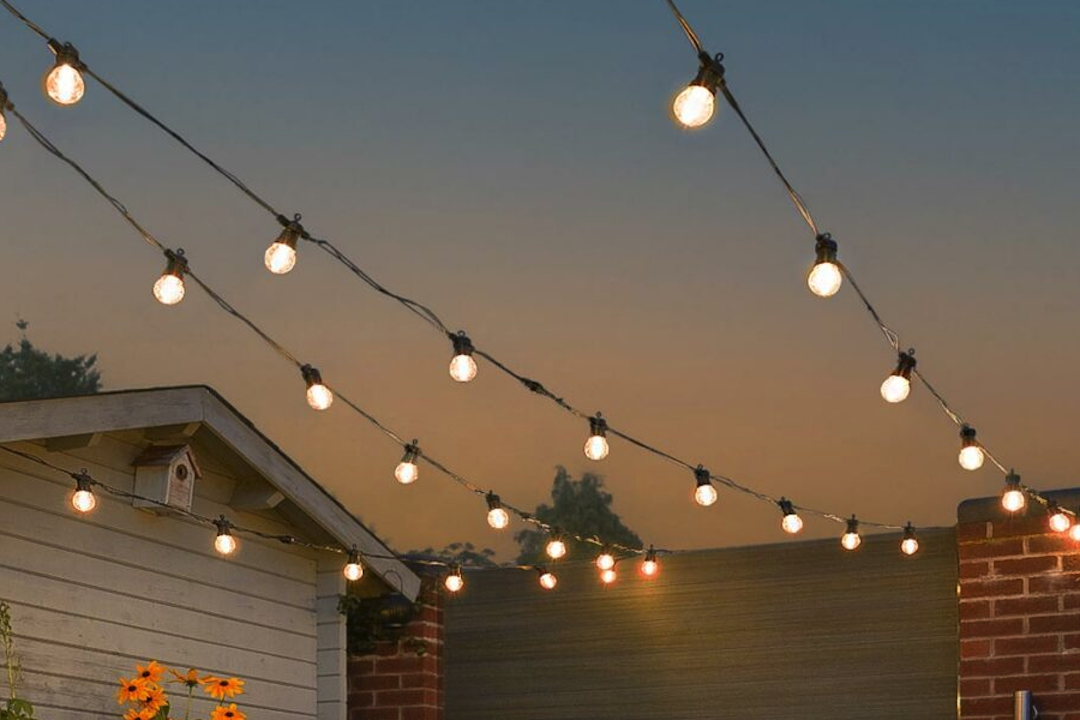
These are the most common type, featuring round bulbs that vary in size from small fairy light-like orbs to larger decorative baubles. Weather-resistant globe lights are perfect for creating a festive or romantic atmosphere over patios, pergolas, and gardens.
Edison-Style Bulbs: Vintage Appeal
Replicating the look of early 20th-century light bulbs, Edison-style festoon lights feature exposed filaments, adding a touch of vintage charm. Even with the delicate filament look, weather-resistant versions will have durable, often polycarbonate bulbs and well-sealed bases to protect them from the elements. These are ideal for creating a sophisticated, rustic, or industrial vibe.
Specialty Shapes: Novelty and Fun
Beyond the classics, you can find festoon lights with bulbs shaped like stars, flowers, or even custom designs. As long as they are marketed as weather-resistant, these can add a unique decorative touch to your outdoor space.
String Lengths and Bulb Spacing: Tailoring Your Installation
The length of the string and the distance between bulbs are critical for achieving the desired look and feel.
Finding the Right Fit for Your Space
Weather-resistant festoon lights come in various lengths, from short, decorative strands to long runs that can cover entire yards or wrap around multiple structures. It’s important to measure your space carefully before purchasing to avoid buying too little or too much.
Bulb Spacing for Ambiance
The spacing between bulbs also affects the overall lighting effect. Closer spacing creates a denser, more uniformly lit effect, while wider spacing allows for more light and shadow play, often resulting in a more subtle ambiance. Consider how you want to use the space and what kind of mood you want to evoke when choosing bulb spacing.
Installation Tips for Weather-Resistant Festoon Lights
Putting up your weather-resistant festoon lights doesn’t have to be a daunting task, but a little planning goes a long way in ensuring they look good and function reliably for years to come.
Planning Your Layout: Measure Twice, Install Once
Before you even unpack your lights, take some time to visualize exactly where you want them to go.
Marking Your Path
Use a measuring tape to determine the total length of the run you need. Consider where you’ll anchor the string – will it be from existing structures like trees, fences, or your house, or will you need to install poles or dedicated supports?
Power Source Location
Identify the nearest outdoor-rated electrical outlet. If you don’t have one conveniently located, you might need to consult an electrician to install a new one. Running extension cords for permanent outdoor lighting is generally not recommended due to safety concerns and their propensity to degrade in the weather.
Secure Mounting: Safety and Aesthetics
How you secure your lights is critical for both their longevity and your safety.
Using Appropriate Hardware
Invest in good quality hooks, screws, zip ties, or cable clips designed for outdoor use. These should be made from rust-resistant materials like galvanized steel, stainless steel, or heavy-duty, UV-stabilized plastic.
- For Trees or Wooden Structures: Use screwed-in hooks or eyelets. Avoid wrapping wires directly around branches as this can damage the tree.
- For Walls or Fences: Use appropriate anchors and screws for your wall material (e.g., masonry anchors for brick, wood screws for timber).
- For Open Spaces: Consider dedicated poles or string lines. These can be made from sturdy metal or treated wood. Ensure they are firmly anchored to the ground to withstand wind.
Gentle Tension, Not Strain
When stringing the lights, ensure the cable is taut enough that it won’t sag excessively and collect water, but not so tight that it puts undue strain on the bulbs, connectors, or mounting points. A slight sag can actually be beneficial in helping to shed water.
Wiring and Connections: Keeping it Safe and Dry
This is where the “weather-resistant” aspect truly comes into play.
Waterproofing Your Connections
If your festoon light system requires connecting multiple strands, make sure you use the provided waterproof connectors. If for any reason you need to make a splice or extension, use a junction box specifically designed for outdoor and wet environments, and ensure all connections are properly sealed.
Securing Cables
Use zip ties or cable clips to secure the main cable to any support structures. This prevents the cable from swinging wildly in the wind and protects it from damage. Ensure cables are not running across high-traffic areas where they could be tripped over or damaged by lawn equipment.
Outdoor-Rated Extension Cords (Use Sparingly)
If you absolutely must use an extension cord, ensure it is rated for outdoor use, with a heavy gauge suitable for the power draw of your lights. However, for a permanent installation, it’s always best to have a dedicated outdoor outlet installed.
Maintaining Your Weather-Resistant Festoon Lights
While these lights are designed to withstand the elements, a little ongoing care will ensure they continue to shine brightly and safely for years to come. It’s about proactive attention rather than major overhauls.
Regular Cleaning: Removing the Grime
Over time, dust, pollen, bird droppings, and general outdoor debris can accumulate on the bulbs and cables.
Simple Wipe-Down
Turn off the power to your lights at the breaker or by unplugging them. Then, use a soft cloth, perhaps dampened with a mild soap and water solution, to gently wipe down each bulb and the cable. For stubborn grime, a soft brush might be helpful.
Rinsing and Drying
After cleaning, rinse the lights with clean water to remove any soap residue. Ensure the lights are completely dry before restoring power. This is particularly important if any moisture might have entered the bulb sockets during cleaning.
Inspecting for Damage: Proactive Problem Solving
A quick visual inspection can catch minor issues before they become major problems.
Checking the Cables
Look for any signs of wear and tear, such as cracks, nicks, or fraying in the cable insulation. Pay close attention to areas where the cable flexes or enters connections.
Examining the Bulbs and Sockets
Ensure all bulbs are securely in their sockets. Check for any cracks or damage to the bulbs themselves. Look for corrosion or debris in the socket area.
Verifying Connections
Make sure all connectors are still tight and securely sealed. If you notice any looseness or signs of water ingress, address it immediately.
Bulb Replacement: When One Goes Out
Even with long-lasting LEDs, individual bulbs can eventually fail.
Identifying the Faulty Bulb
If a section of your lights goes out, or an individual bulb is clearly dim or not working, it’s time for a replacement.
Using the Correct Replacement Bulbs
Whether you have LED or incandescent, always use the exact replacement bulbs specified by the manufacturer. Using a bulb with the wrong wattage or type can damage the system or create a safety hazard.
Ensuring a Watertight Seal
When replacing a bulb, ensure the new bulb is screwed in tightly and that any gaskets or seals are properly seated. This is crucial for maintaining the weather resistance of the fixture.
Beyond the Lights: Enhancing Your Outdoor Ambiance Further
While weather-resistant festoon lights are a fantastic starting point, you can elevate your outdoor space even further by considering complementary elements. It’s about building a cohesive and inviting environment.
Layering Your Lighting: Creating Depth and Function
Festoon lights provide ambient and decorative lighting, but consider adding other types of outdoor lighting to serve different purposes.
Task Lighting for Functionality
Think about areas where you might need more direct light, such as an outdoor grill station, a dining table, or a seating area. Uplighting on plants can also create dramatic shadows and focal points. Outdoor-rated spotlights or pathway lights can guide guests and highlight features.
Accent Lighting for Atmosphere
Beyond the festoon string, consider adding subtle accent lights. Small, low-profile lights tucked into garden beds, illuminating a statue, or casting a warm glow on a water feature can add layers of visual interest and create a truly enchanting atmosphere. Smart outdoor lighting systems can even allow you to control color and intensity for different moods.
Integrating with Your Landscape: Making it Seamless
Your lighting should feel like a natural extension of your garden and patio.
Hiding Wires and Power Sources
Whenever possible, try to conceal wiring by running it through garden beds, under decks, or along fence lines. Outdoor-rated junction boxes and power blocks should be discreetly placed.
Choosing Fixtures that Complement Your Style
Select the style of your festoon lights and any other lighting fixtures to match the overall aesthetic of your home and garden. Whether you lean towards modern minimalist, rustic country, or classic elegance, there are options to suit every taste.
Adding Comfort and Functionality: The Finishing Touches
Once the lighting is in place, think about what else will make your outdoor space truly usable and enjoyable.
Comfortable Seating and Dining Areas
Invest in comfortable, durable outdoor furniture that can withstand the elements. Consider adding cushions and throws for extra coziness.
Protection from the Elements
If your outdoor space is exposed, consider adding elements like pergolas with retractable canopies, umbrellas, or windbreaks to provide shelter from sun, rain, and wind, making it usable in a wider range of conditions.
Outdoor Entertainment Systems
For those who love to entertain, consider integrating outdoor audio systems or even a projector for movie nights. These elements, combined with well-chosen lighting, can transform your garden into an extension of your indoor living space, perfect for year-round enjoyment.