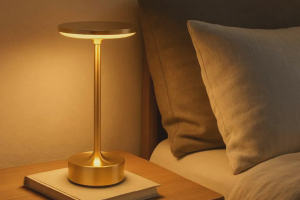
Elegant Motion Sensor Picture Light with Natural Rattan Finish
Looking for a way to highlight your artwork or cherished photographs without the hassle of wires or constant manual operation? A motion sensor picture light, especially one with a natural rattan finish, offers a sophisticated and practical solution. These lights combine targeted illumination with automated convenience, ensuring your pieces are beautifully lit only when needed, while adding a touch of organic elegance to your space.
Blending Form and Function: The Rattan Motion Sensor Picture Light
Integrating technology seamlessly into home decor can be a challenge, but a motion sensor picture light with a natural rattan finish manages it beautifully. It’s not just about illuminating a piece of art; it’s about doing so intelligently and stylishly. This specific type of light addresses several common pain points associated with traditional picture lighting, offering a unique blend of aesthetic appeal and cutting-edge functionality.
The Appeal of Natural Rattan
Rattan has seen a significant resurgence in interior design, and for good reason. Its inherent warmth, texture, and natural variations bring an organic, calming element into any room. Unlike cold metallic finishes or generic plastic, rattan offers a handcrafted feel that complements a wide range of decor styles, from bohemian and coastal to modern farmhouse and even minimalist. The open weave often associated with rattan diffusers can also create a soft, inviting glow, enhancing the ambiance of a room even when the light isn’t directly focused on the artwork.
When applied to a picture light, the rattan finish transforms a purely functional object into a decorative one. It doesn’t just recede into the background; it becomes part of the art display itself, framing the piece with a subtle, textured border. This choice of material also suggests an eco-conscious design, appealing to those who prioritize sustainable and natural elements in their homes. It’s a design choice that speaks to comfort, authenticity, and a connection to nature.
The Advantage of Motion Sensing
The inclusion of motion sensing technology is where this picture light truly shines in terms of practicality. Traditional picture lights are either hardwired (requiring professional installation and limiting placement flexibility) or battery-operated with a manual on/off switch (requiring constant attention). Motion sensing eliminates these inconveniences.
Imagine walking into a room, and as you approach a beloved painting, it subtly illuminates, drawing your eye to its details. When you leave, it gracefully fades or turns off, conserving energy and extending battery life. This hands-free operation is not just convenient; it’s an elegant interaction with your environment. It means you don’t have to remember to turn it on or off, nor do you have to fumble for a switch in the dark. It’s particularly useful in areas where you might only briefly pass through, like a hallway, or in a room where you want the light to activate only when you’re present, such as a study or a reading nook. The sensor is typically designed to detect movement within a certain range and angle, ensuring it activates only when relevant.
Battery-Powered Freedom
Most motion sensor picture lights, particularly those designed for easy installation, are battery-powered. This is a crucial feature for flexibility. Without the need for an electrical outlet or complex wiring, these lights can be placed virtually anywhere you hang art – over a mantelpiece, in a narrow hallway, on a gallery wall, or even inside a cabinet to illuminate collectibles. This freedom from wires means no unsightly cords trailing down your wall and no limitations imposed by your home’s existing electrical infrastructure.
While battery operation necessitates occasional battery replacement, the motion sensor significantly extends battery life compared to lights that are constantly on. Many modern units use efficient LED bulbs, further reducing power consumption. Some advanced models even incorporate rechargeable batteries or solar charging capabilities for even greater sustainability and convenience, although this is less common for internal picture lights. The ease of installation – often just a few screws or even adhesive pads – makes them an ideal choice for renters or anyone hesitant to make permanent modifications to their walls.
Technical Specifications and Performance
Beyond aesthetics and convenience, the practical utility of a motion sensor picture light hinges on its technical performance. Understanding these specifications is key to choosing a light that will effectively illuminate your artwork and integrate seamlessly into your daily life.
Light Output and Color Temperature
The primary purpose of a picture light is to illuminate. The brightness, typically measured in lumens, needs to be adequate for your artwork without being overpowering. For most residential applications, a picture light might range from 50 to 200 lumens, depending on the size of the artwork and the ambient light in the room. Too bright, and it can wash out the colors; too dim, and it won’t highlight the piece effectively.
Equally important is the color temperature, measured in Kelvin (K). This determines the “warmth” or “coolness” of the light.
- Warm White (2700K-3000K): Often preferred for traditional artwork, landscapes, and portraits. It mimics the glow of incandescent bulbs, creating a cozy and inviting atmosphere. It can enhance reds, oranges, and yellows.
- Neutral White (3500K-4500K): A good all-rounder, offering a balanced light that doesn’t significantly alter the colors of the art. Suitable for a wide range of artwork and contemporary pieces.
- Cool White (5000K-6500K): Closer to natural daylight. Can be used for modern art, black and white photography, or in spaces where a crisp, bright light is desired. However, it can make warm colors appear dull or blue.
For most general art illumination, a color temperature in the 3000K-4000K range is often ideal, providing a natural and flattering light that doesn’t distort the original colors of the artwork. Some advanced models may offer adjustable color temperature settings, allowing you to fine-tune the light to different pieces or preferences.
Motion Sensor Range and Angle
The effectiveness of the motion sensor depends on its detection capabilities.
- Detection Range: This specifies how far from the sensor an object needs to be for it to activate. Common ranges for picture lights might be between 6 to 15 feet. A shorter range is often desirable for a picture light to prevent it from activating unnecessarily when someone is merely passing by a distant part of the room.
- Detection Angle: This is the field of view of the sensor, usually expressed in degrees. A wider angle (e.g., 120-180 degrees) will detect movement across a broader area, while a narrower angle will be more focused. For a picture light, a narrower, downward-facing angle is often beneficial to ensure it only activates when someone is directly in front of the artwork or approaching it.
It’s also worth considering if the sensor has any adjustable sensitivity settings. Lower sensitivity might prevent false triggers from pets or minor movements, while higher sensitivity ensures it catches even subtle approaches.
Auto Shut-off Timer
A crucial feature for energy efficiency and battery life is the auto shut-off timer. Once motion is no longer detected, the light will remain on for a pre-set duration before automatically turning off. Common timer settings range from 15-30 seconds up to several minutes. For a picture light, a shorter duration (e.g., 20-30 seconds) is often sufficient, as it only needs to be on while someone is observing the art. Some models offer adjustable timer settings, allowing users to customize this duration based on their preferences and the typical viewing time. This intelligent off-cycle prevents the light from staying on unnecessarily, significantly extending battery life.
Power Source and Battery Life
As discussed, most of these lights are battery-powered for convenience. Common battery types include AA, AAA, or D-cell batteries. The number and type of batteries, combined with the light’s power consumption, will determine its operational life.
- Battery Life Expectancy: Manufacturers often provide an estimate of battery life, typically in hours of continuous use or in terms of activations. For example, a light might state “up to 30 hours of continuous light” or “6-12 months on a single set of batteries with average use (e.g., 10 activations per day).” Actual battery life will vary based on frequency of activation, duration of each activation, and battery quality.
- Low Battery Indicator: A useful feature to look for is a low battery indicator, which provides a visual cue (e.g., a blinking light) when the batteries are nearing depletion, giving you ample time to replace them before the light stops working.
Some models might utilize rechargeable lithium-ion batteries, which offer convenience but often require charging via a USB cable. While this eliminates the need for disposable batteries, it means periodically taking the light down or having a charging port accessible nearby.
Installation and Placement Considerations
The ease of installation and thoughtful placement are key to maximizing the benefits of a motion sensor picture light, especially one designed for versatility.
Straightforward Mounting
One of the primary advantages of battery-operated picture lights is their simplicity of installation. Unlike hardwired options that require an electrician or significant DIY skills, these lights are typically designed for quick and easy mounting.
- Screw-in Brackets: Most models come with a small mounting bracket that screws into the wall above your artwork. The light unit then clips or slides onto this bracket. This method provides a secure attachment. The necessary screws and wall anchors are usually included.
- Adhesive Strips: For lighter units or those on very smooth surfaces, some lights might include strong adhesive strips. While convenient and entirely damage-free for walls, it’s essential to ensure the surface is clean and dry for maximum adhesion. This method is generally recommended for temporary installations or for lighter picture frames, as the long-term hold can sometimes be less reliable than screws.
- Magnetic Mounting: A less common but highly convenient method involves a magnetic base or bracket. This allows for easy attachment and removal for battery changes.
Before installation, always check the weight of the light and ensure the chosen mounting method is appropriate for the wall material and the light’s weight. Using a level tool is highly recommended to ensure the light is mounted straight.
Optimal Positioning for Artwork
Proper positioning of the picture light is crucial for effective illumination and to avoid glare or shadows.
- Height and Distance: The light should generally be mounted above the artwork, aiming slightly downwards. The ideal distance from the top of the frame and the angle of the light can vary depending on the size of the art and the specific light’s beam angle. A general rule of thumb is to position the light so that its illumination evenly covers the entire piece without creating a harsh spotlight effect or casting shadows from the frame. For most standard picture lights, mounting it 4-6 inches above the frame and 2-4 inches out from the wall is a good starting point, but adjust as needed by testing.
- Avoiding Glare: Glare can be a significant issue, especially with framed art under glass. Position the light and adjust its angle (if adjustable) to minimize reflections. Sometimes, a slight adjustment to the angle can make a big difference in reducing glare. Observing the artwork from various viewing angles after the light is installed will help identify and mitigate glare spots.
- Even Illumination: The goal is to illuminate the artwork evenly. Lights with adjustable heads or swiveling arms offer more flexibility in directing the light. Check for hot spots (areas that are too bright) or dark spots (areas that are not sufficiently lit). The spread of the light should ideally cover the entire width of the artwork, not just a central portion.
Sensor Placement Considerations
For motion-sensing capabilities to work effectively, the sensor’s placement relative to common pathways is important.
- Path of Movement: Consider where people typically walk when approaching the artwork. The sensor should be oriented to capture this movement. If the art is in a hallway, the sensor should face along the hallway. If it’s in a living room, it should face towards the entrance or seating area.
- Avoiding False Triggers: To prevent the light from activating unnecessarily, try to avoid placing it where the sensor will pick up movement from:
- Pets: If you have large pets, they might trigger the sensor. Adjusting the sensor’s angle upwards slightly (if possible) or reducing sensitivity can help.
- Heat Sources: Some motion sensors are passive infrared (PIR) sensors, which detect changes in infrared radiation (heat). Avoid placing them directly above or near heat vents, radiators, or direct sunlight, which could cause false triggers.
- Through Windows: If a window is directly opposite, movement outside could potentially trigger the sensor.
- Busy Areas: If the artwork is in a very high-traffic area where people are constantly moving but not necessarily looking at the art, you might find the light is on too frequently, depleting batteries faster. In such cases, consider a light with adjustable sensitivity or a shorter auto shut-off timer.
Aesthetic Integration and Design Versatility
The natural rattan finish of these picture lights isn’t just an afterthought; it’s a deliberate design choice that significantly impacts how the light integrates into and elevates your interior decor. This material choice offers a unique aesthetic that sets it apart from traditional metal or plastic alternatives.
Complementing Various Decor Styles
The beauty of natural rattan lies in its versatility. It doesn’t pigeonhole your decor into a single style but rather acts as a bridge between various aesthetics:
- Bohemian and Coastal: This is perhaps the most obvious pairing. Rattan inherently evokes a relaxed, natural, and earthy vibe, perfectly complementing bohemian textiles, natural wood, and coastal-inspired hues. A rattan picture light would feel right at home above a macramé wall hanging or a watercolor of a beach scene.
- Modern Farmhouse: The warmth and organic texture of rattan beautifully contrast with the clean lines and often neutral palette of modern farmhouse decor. It can soften the industrial elements and add a touch of handcrafted authenticity. Imagine it illuminating a rustic landscape painting or a vintage botanical print.
- Scandinavian and Minimalist: While these styles prioritize simplicity and functionality, they also embrace natural materials and textures. A rattan picture light can add subtle warmth and visual interest without overwhelming the minimalist aesthetic, especially when paired with light woods and muted colors.
- Traditional and Eclectic: Rattan can also serve as an interesting textural counterpoint in more traditional or eclectic settings, preventing a room from feeling too staid or overly matched. It offers a touch of unexpected organic charm.
- Transitional: For homes that blend elements of traditional and contemporary design, rattan provides a harmonious natural element that can tie disparate pieces together.
The natural variations in rattan color and weave also mean that each light can have a unique character, adding to its artisanal appeal.
Enhancing Ambiance and Mood
Beyond simply illuminating artwork, the natural rattan finish can subtly influence the overall ambiance of a room.
- Warmth and Softness: Rattan, with its earthy tones, naturally emits a feeling of warmth and coziness. When the light passes through or reflects off the rattan elements, it can create a softer, more diffused glow than harsh, direct light from a purely metallic fixture. This contributes to a more inviting and relaxed atmosphere.
- Textural Interest: In rooms that might be visually flat due to smooth surfaces or lack of varied materials, the woven texture of rattan introduces a much-needed tactile element. This visual texture adds depth and character, making the space feel more curated and layered.
- Organic Connection: For many, natural materials foster a sense of well-being and connection to the outdoors. Integrating rattan into your decor, even in small ways like a picture light, can contribute to a more calming and harmonious living environment.
When paired with a warm white LED bulb (around 2700K-3000K), the rattan light can create a particularly inviting and gallery-like feel for your displayed art, enhancing its visual impact and making the surrounding space feel more intimate.
Sizing and Proportionality
Just as with the artwork itself, the size and proportionality of the picture light matter for aesthetic balance.
- Width: Ideally, a picture light should be proportional to the width of the artwork it illuminates. A common guideline is for the light fixture to be approximately one-half to two-thirds the width of the artwork. If the light is too narrow, it might only illuminate a small central portion. If it’s too wide, it can overshadow the art and look clunky.
- Depth/Projection: Consider how far the light projects from the wall. A light that projects too much can be visually obtrusive, especially in narrow spaces. The rattan finish often incorporates a somewhat compact design, but checking the dimensions is always a good idea.
- Visual Weight: While rattan is a natural material, its visual weight can vary. A chunkier or more densely woven rattan design will appear heavier than a more delicate, open weave. Choose a design that balances with the artwork and the overall aesthetic of your room.
Considering these design aspects ensures that the rattan motion sensor picture light not only functions flawlessly but also enhances the visual appeal of your artwork and contributes positively to your home’s overall design narrative. It moves beyond being just a utilitarian object to become a tasteful part of your decor.
Maintenance and Longevity
While motion sensor picture lights with a rattan finish offer significant convenience and aesthetic appeal, understanding their maintenance requirements and factors influencing longevity is crucial for long-term satisfaction. The natural material, combined with the electronic components, requires specific considerations to ensure sustained performance and appearance.
Cleaning and Care for Rattan
Natural rattan, while durable, requires gentle care to maintain its appearance.
- Dusting: Regular dusting is the most important step. Use a soft, dry cloth, a feather duster, or a soft brush attachment on a vacuum cleaner to remove dust from the woven surfaces. Dust can accumulate in the crevices of the weave, so thorough but gentle cleaning is key.
- Spot Cleaning: For minor spills or marks, use a slightly damp cloth (dampened with plain water or a very mild, diluted soap solution). Avoid harsh chemical cleaners, as these can dry out or discolor the rattan. After wiping, dry the area immediately with a clean, dry cloth to prevent moisture absorption.
- Avoiding Excessive Moisture: Rattan is susceptible to damage from prolonged exposure to moisture, which can lead to swelling, warping, mold, or mildew. Never soak rattan, and avoid placing the light in high-humidity environments like bathrooms unless specifically rated for such conditions. If the light does get wet, dry it thoroughly and quickly.
- Direct Sunlight and Heat: While rattan has a natural warmth, prolonged exposure to direct sunlight can cause it to fade, become brittle, or even crack over time. Similarly, excessive heat from radiators or heating vents can dry it out. Position your picture light where it is not constantly exposed to harsh sunlight or direct heat sources.
Following these simple care instructions will help preserve the natural beauty and structural integrity of the rattan finish for years to come.
Battery Replacement and Management
As battery-powered devices, regular battery management is a primary maintenance task.
- Scheduled Replacement: Even if the low battery indicator hasn’t come on, it’s a good practice to set a reminder for periodic battery checks or replacements, perhaps every 6-12 months depending on usage, to avoid unexpected outages.
- Quality Batteries: Invest in good quality, reputable brand batteries. Cheap batteries can leak, causing damage to the battery compartment and potentially the electronic components. Alkaline batteries are common, but for optimal performance and longevity, consider rechargeable NiMH batteries if the device supports them, or high-capacity lithium batteries, though these can be more expensive upfront.
- Proper Disposal: Always dispose of used batteries responsibly according to local regulations. Do not throw them in regular household trash.
- Battery Compartment Care: When changing batteries, ensure your hands are clean and dry. Inspect the battery compartment for any signs of corrosion or leakage. If corrosion is present, gently clean it with a cotton swab dampened with vinegar or lemon juice (and then dry thoroughly) before inserting new batteries.
For rechargeable models, follow the manufacturer’s charging instructions. Overcharging or using incompatible chargers can reduce battery lifespan.
LED Lifespan and Replacement
Most modern picture lights use integrated LED bulbs, which have an incredibly long lifespan – often rated for 25,000 to 50,000 hours or more.
- Non-Replaceable LEDs: In the vast majority of cases, the LEDs in these fixtures are not designed to be user-replaceable. This means if the LEDs fail (which is rare within the expected lifespan of the product), the entire light fixture typically needs to be replaced.
- Factors Affecting Lifespan: While long-lasting, the actual lifespan of LEDs can be affected by factors such as:
- Operating Temperature: Excessive heat can shorten LED life. Ensure good airflow around the light.
- Power Surges: While less common for battery-powered units, significant voltage fluctuations (for models with AC adapters, if applicable) can impact lifespan.
- Constant On/Off Cycles: While motion sensors naturally involve on/off cycles, LEDs are generally robust to frequent switching. However, very rapid, continuous cycling might contribute to slightly reduced life over many years.
Given the typical usage pattern of a motion sensor picture light (on only when motion is detected), the LED lifespan should far exceed the useful life of the product itself, making LED failure a rare concern.
Sensor and Electronic Components
The motion sensor and other electronic components are generally designed to be maintenance-free.
- Cleanliness: Keep the sensor lens clean and free of dust or obstructions, as this can impair its detection capabilities. A soft, dry cloth is usually sufficient.
- Environmental Factors: Protect the light from extreme temperatures and excessive humidity, which can degrade electronic components over time. Most indoor electronics are rated for typical room temperatures and humidity levels.
- Avoid Tampering: Do not attempt to disassemble the light or tamper with the electronic components, as this can void warranties and potentially damage the unit.
By adhering to these simple maintenance guidelines, you can ensure your elegant motion sensor picture light with a natural rattan finish continues to perform beautifully and enhance your home’s aesthetics for many years. It’s a low-effort investment that delivers high returns in convenience and style.