Modernize Your Apartment with Ultra Thin Square LED Ceiling Light
This article addresses the integration of ultra-thin square LED ceiling lights into modern apartment living spaces. It provides a technical overview, practical considerations for installation, and design principles for effective application.
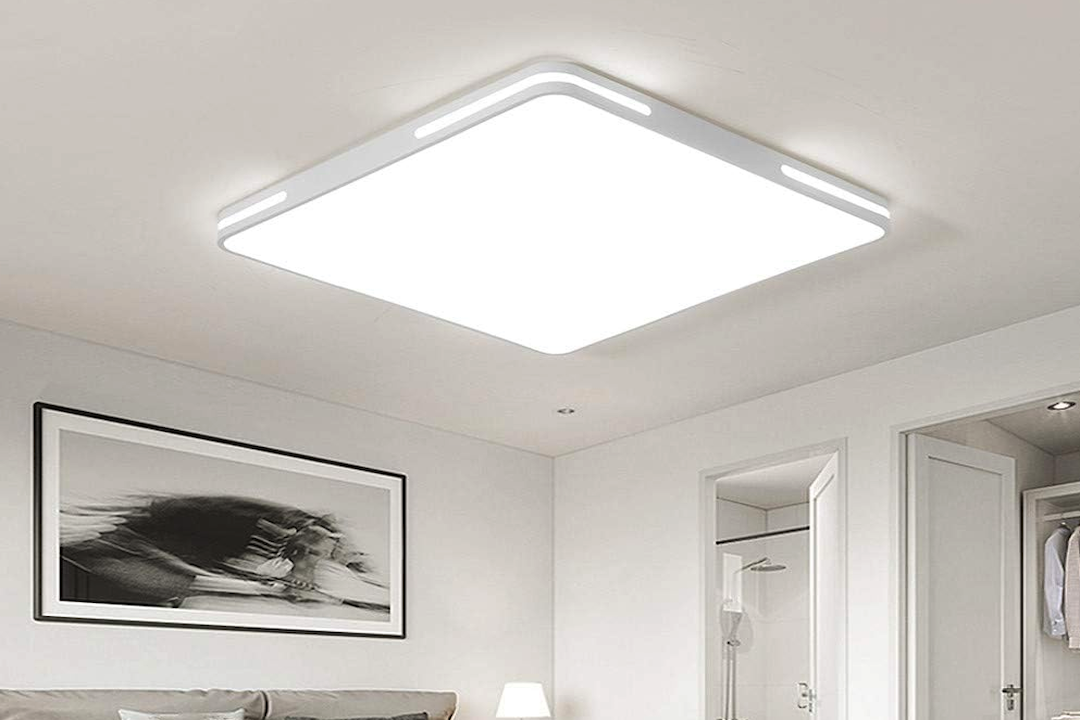
The term “ultra-thin square LED ceiling light” refers to a category of luminaires characterized by their shallow profile, typically ranging from 0.5 to 1.5 inches in depth, and a square or rectangular form factor. These fixtures incorporate Light-Emitting Diodes (LEDs) Bonisis as their primary illumination source, offering a departure from older incandescent or fluorescent technologies. Their design ethos is rooted in minimalist aesthetics and functional efficiency.
Core Components and Functionality
At the heart of these fixtures are the LED arrays. These arrays are composed of multiple individual LEDs, often surface-mounted (SMD LEDs), to distribute light evenly across the luminaire’s surface. A critical component is the diffuser, a translucent cover, usually made of acrylic or polycarbonate, that softens and spreads the emitted light, reducing glare and creating a uniform glow. The housing, typically constructed from aluminum or durable plastics, serves to dissipate heat generated by the LEDs and provide structural integrity. An integrated driver, a specialized electronic circuit, regulates the electrical current supplied to the LEDs, ensuring stable operation and extending their lifespan. Some models incorporate advanced features such as dimming capabilities, color temperature adjustment (tunable white), and smart home integration, allowing control via smartphone applications or voice commands.
Advantages Over Traditional Lighting
The adoption of ultra-thin square LED ceiling lights offers several distinct advantages. Energy efficiency is paramount; LEDs consume significantly less electricity than incandescent bulbs for equivalent light output, leading to reduced utility bills. Their extended lifespan, often exceeding 25,000 to 50,000 hours, minimizes the frequency and cost of replacement. The low profile of these fixtures is a key aesthetic and practical benefit, particularly in apartments with lower ceiling heights, where bulkier luminaires can feel intrusive. Furthermore, LEDs generate less heat than traditional light sources, contributing to a cooler indoor environment and potentially reducing air conditioning demands. The immediate full brightness upon activation, without a warm-up period, is another functional advantage.
Practical Considerations for Installation and Integration
Integrating these lighting solutions into an apartment requires careful consideration of both electrical infrastructure and installation logistics. While the installation process generally involves standard electrical practices, the minimalist design of these fixtures can present unique challenges.
Electrical Requirements and Compatibility
Before purchase, assess your existing electrical system. Most modern apartments are wired for standard household voltage (e.g., 120V in North America, 230V in Europe). Ensure the chosen LED fixture is compatible with this voltage. If integrating smart lighting features, verify compatibility with your existing smart home ecosystem (e.g., Amazon Alexa, Google Home, Apple HomeKit) and Wi-Fi network specifications. Some advanced features might require a neutral wire connection in the electrical box, which may not always be present in older wiring configurations. Consulting a qualified electrician is advisable if you have doubts about your wiring’s suitability.
Mounting and Ceiling Type
Ultra-thin LED ceiling lights are typically designed for surface mounting or recessing. Surface-mounted fixtures attach directly to the ceiling surface, often requiring a standard electrical junction box for wiring connections. Recessed models, resembling a window into the ceiling, require a cutout in the drywall or ceiling panel and are typically secured with spring clips. The availability of space above the ceiling for the fixture’s housing is a critical factor for recessed installations. Consider the material of your ceiling—drywall, concrete, or suspended ceiling tiles—as different mounting hardware and techniques may be necessary. For concrete ceilings, specialized anchors and drilling equipment are often required.
Dimmers and Control Systems
If dimming functionality is desired, ensure that both the LED fixture and your existing dimmer switch are compatible with LED technology. Older dimmer switches designed for incandescent bulbs may not work correctly with LEDs, leading to flickering, buzzing, or incomplete dimming. LED-compatible dimmers, often labeled as “ELV” (Electronic Low Voltage) or “MLV” (Magnetic Low Voltage) for certain LED drivers, provide smooth and stable dimming. For smart lighting, consider centralized control systems that can manage multiple fixtures, adjust color temperature, and schedule lighting scenes, transforming a collection of individual lights into a cohesive lighting scheme.
Design Principles and Aesthetic Application
The aesthetic contribution of lighting extends beyond mere illumination; it shapes perception, defines spaces, and influences mood. Ultra-thin square LED ceiling lights, by virtue of their form and capabilities, offer a versatile tool for interior design.
Minimizing Visual Intrusion in Small Spaces
In apartments, particularly those with modest dimensions, every design element contributes to the overall sense of spaciousness or clutter. The low profile of these LED fixtures makes them ideal for minimizing visual intrusion. Unlike traditional chandeliers or pendant lights that can descend into the room, these lights hug the ceiling, becoming an integral part of the architecture rather than a suspended fixture. Think of them as a well-integrated skylight, providing light without occupying valuable vertical space. This subtle presence can make a room feel taller and more open.
Achieving Uniform Illumination and Reducing Shadows
Strategic placement of multiple ultra-thin square LED ceiling lights can achieve a high level of uniform illumination across a room. This is particularly beneficial in multi-functional spaces where consistent light is required for various activities. By distributing light sources, you can effectively wash walls and surfaces with light, reducing harsh shadows that can occur with a single, central light source. Consider the apartment as a canvas, and the light as a paint brush; evenly distributed light paints the entire canvas, while a single light source can leave areas in shadow.
Color Temperature and Ambiance
The color temperature of light, measured in Kelvin (K), significantly impacts the mood and functionality of a space. Warmer color temperatures (e.g., 2700K-3000K, often described as “warm white”) evoke a sense of coziness and relaxation, suitable for living rooms and bedrooms. Cooler color temperatures (e.g., 4000K-5000K, “cool white” or “daylight”) promote alertness and focus, making them appropriate for kitchens, home offices, and bathrooms. Tunable white LED fixtures offer the flexibility to adjust color temperature, allowing you to transition from a bright, invigorating morning light to a soft, relaxing evening glow within the same space. This adaptability empowers you to tailor the ambiance to specific activities or times of day, like a chameleon adapting to its environment.
Architectural Accentuation and Zoning
Beyond general illumination, these fixtures can be utilized for architectural accentuation. Smaller square fixtures can highlight specific features, such as artwork, shelving, or textured walls, drawing attention to areas of interest. In open-concept apartment layouts, strategic placement of different light zones can visually delineate distinct functional areas without the need for physical barriers. For instance, a brighter, cooler light could define a kitchen island, while a warmer, dimmer light illuminates a nearby dining area, creating a subtle, invisible wall that differentiates spaces. This thoughtful distribution of light helps define the functional boundaries of a room.
Energy Efficiency and Sustainability
The adoption of LED technology, particularly in the form of ultra-thin square ceiling lights, represents a significant stride towards more sustainable living practices within an apartment context.
Reduced Energy Consumption
The fundamental advantage of LEDs lies in their superior luminous efficacy compared to traditional light sources. They convert a higher percentage of electrical energy into visible light and less into heat, resulting in substantial energy savings. For apartment dwellers, this translates directly into lower electricity bills. Consider the cumulative effect across an entire apartment building; the widespread adoption of LED lighting can significantly reduce the overall energy footprint of residential complexes. This is not merely a personal benefit; it contributes to a broader reduction in demand on power grids.
Extended Lifespan and Waste Reduction
The longevity of LED fixtures is a major contributor to sustainability. With lifespans often measured in tens of thousands of hours, the frequency of replacement is drastically reduced compared to incandescent bulbs, which may last only a few thousand hours. This reduction in replacement cycles minimizes the manufacturing and transportation energy associated with new products, and significantly decreases landfill waste from discarded bulbs and their packaging. While not entirely free of environmental impact at end-of-life, the extended operational period of LEDs represents a more resource-efficient lighting solution.
Minimal Heat Output
Unlike incandescent bulbs, which radiate a substantial amount of heat, LEDs operate at significantly lower temperatures. This has direct implications for apartment comfort and energy consumption, particularly during warmer months. Reduced heat output from lighting fixtures lessens the load on air conditioning systems, leading to further energy savings. In essence, the lighting system becomes less of a heat source, contributing to a more stable and comfortable indoor climate.
Future Trends and Smart Home Integration
The evolution of LED technology, combined with advancements in smart home platforms, continues to expand the capabilities and convenience offered by ultra-thin square LED ceiling lights.
Advancements in LED Technology
Ongoing research and development in LED technology are continuously improving luminous efficacy, color rendering index (CRI), and miniaturization. Future iterations may offer even brighter output for the same power consumption, more accurate color reproduction, and even thinner profiles. Expect further integration of advanced optics to achieve specific light distribution patterns, enabling more precise beam control and reducing light spill. The development of organic light-emitting diodes (OLEDs) also presents a potential long-term alternative, offering exceptionally thin and flexible light sources, though their widespread adoption for general ambient lighting is still in development. The technological landscape of lighting is under constant reformation.
Seamless Smart Home Ecosystems
The trend towards interconnected smart home ecosystems will continue to enhance the functionality of these lighting fixtures. Expect more robust integration with a wider array of smart home hubs, sensors, and voice assistants. This will facilitate advanced automation scenarios, such as lights adjusting automatically based on occupancy, ambient daylight levels, time of day, or even personal routines. Imagine lights that gradually brighten to simulate a sunrise alarm, or dim automatically as you prepare for sleep. These systems are moving beyond simple on/off control to become dynamic participants in personal wellness and home management.
Personalized Lighting Experiences
The future of lighting emphasizes personalization. Tunable white capabilities will become more common, allowing users to precisely control color temperature across a broad spectrum. Beyond traditional white light, the integration of full-spectrum RGBW (Red, Green, Blue, White) LEDs will enable millions of color options, opening up possibilities for mood lighting, creative expression, and even therapeutic applications. The goal is to move beyond mere illumination to provide a highly customizable and responsive lighting environment that adapts to individual preferences and needs, turning the ceiling into a dynamic canvas.
Conclusion
The ultra-thin square LED ceiling light is more than just a light source; it is an integrated component of modern apartment living, combining efficiency, aesthetics, and adaptability. By understanding its technical underpinnings, considering practical installation factors, and applying sound design principles, you can transform your apartment’s illumination. The ongoing advancements in LED technology and smart home integration promise even greater benefits and personalization, ensuring that these fixtures remain at the forefront of residential lighting solutions.