Ultimate Patio Outdoor Waterproof Wall Lamp: Die-Cast Aluminum
So, you’re looking to light up your outdoor space, and not just any light – something tough, reliable, and actually looks good? You’ve landed in the right place. The ‘Ultimate Patio Outdoor Waterproof Wall Lamp: Die-Cast Aluminum’ is essentially a fancy way of saying a highly durable, weather-resistant, and stylish light fixture designed for your outdoor walls. Think of it as a dependable workhorse dressed in a smart suit, ready to stand up to whatever Mother Nature throws at it while still making your patio feel inviting. It’s built to last, designed for the outdoors, and provides the kind of illumination that genuinely enhances your space, rather than just being “there.”
Built to Withstand the Elements: What Makes it Truly Waterproof?
When we talk about an “outdoor waterproof wall lamp Loxtonlighting,” it’s more than just a marketing buzzword. There are specific design choices and materials that go into making these fixtures genuinely resistant to rain, snow, and even dust. It’s about creating a sealed environment for the delicate electrical components.
The Magic of Die-Cast Aluminum
This is where die-cast aluminum really shines (pun intended!). Unlike stamped metal or plastic, die-cast aluminum is incredibly strong and resistant to corrosion. But what does “die-cast” actually mean?
- Manufacturing Process: Think of it like this: molten aluminum is injected under high pressure into a mold (the “die”). This process creates a very dense, uniform, and precise part. There are no seams or weak points inherently in the material itself that could easily let water in.
- Corrosion Resistance: Aluminum naturally forms a thin, protective oxide layer when exposed to air. This layer helps prevent further corrosion, making it ideal for outdoor use where salt air, humidity, and acid rain can wreak havoc on other metals. It won’t rust like steel.
- Durability and Impact Resistance: Because it’s so dense, die-cast aluminum offers significant impact resistance. This means if a stray ball hits it, or it gets knocked during maintenance, it’s much less likely to dent or crack compared to lighter materials.
Silicone Gaskets and Seals
Beyond the robust housing, the real waterproof magic often comes down to the quality of the seals.
- Critical Points: Every opening where components meet – the glass diffuser to the metal frame, the back plate to the wall, or the access panel for wiring – needs a proper seal.
- Silicone’s Role: High-quality silicone gaskets are strategically placed at these interfaces. Silicone is excellent because it maintains its flexibility across a wide range of temperatures, from freezing cold to scorching hot, preventing cracks and gaps from forming over time. It also doesn’t degrade or become brittle easily.
- IP Ratings: This is a key indicator. You’ll often see an “IP rating” (Ingress Protection) on outdoor fixtures. For a wall lamp that’s truly waterproof, you’re looking for something like IP44 (splash resistant from all directions) at a minimum, but ideally IP54 or even IP65 (dust tight and protected against low-pressure jets of water). The higher the second digit, the better its water resistance.
Protective Coatings and Finishes
Even die-cast aluminum benefits from an extra layer of protection to enhance its longevity and appearance.
- Powder Coating: This is a common and highly effective finish. Instead of liquid paint, dry powder is electrostatically applied to the aluminum and then cured under heat. This process creates a much thicker, more durable, and chip-resistant finish than traditional paint. It also offers excellent UV resistance, preventing the color from fading under relentless sun exposure.
- Anodizing: Another option, anodizing is an electrochemical process that converts the metal surface into a durable, corrosion-resistant, anodic oxide finish. It integrates with the aluminum, making it very hard and scratch-resistant.
Design and Aesthetics: More Than Just a Functional Box
Let’s be honest, you’re not just buying a light bulb; you’re buying something that will be a visible part of your home’s exterior. The aesthetic appeal of these lamps is a significant factor, and thankfully, modern die-cast aluminum fixtures offer a wide range of styles.
Mastering Modern Minimalism
Many contemporary die-cast aluminum lamps lean into sleek, uncluttered designs.
- Clean Lines: Expect sharp angles, geometric shapes, or smooth, curvilinear forms without excessive ornamentation. The beauty often lies in its simplicity.
- Understated Elegance: They blend seamlessly with modern architectural styles, adding a touch of sophistication without dominating the facade.
- Common Finishes: Matte black, brushed nickel, dark bronze, or even white are popular choices that complement various color schemes and materials like concrete, wood paneling, or stucco.
Embracing Transitional Styles
If your home isn’t strictly modernist, there are plenty of options that bridge the gap between traditional and contemporary.
- Subtle Details: These might feature gentle curves, slightly beveled edges, or decorative elements that are present but not overly ornate.
- Versatility: They work well with homes that have a mix of old and new elements, offering a fresh take on classic designs.
- Warm Finishes: Bronze, rubbed oil bronze, or even aged brass finishes can add warmth and character to more traditional settings while still offering a clean look.
Crafting a Classic or Industrial Vibe
For those who love a bit of vintage charm or rugged appeal, die-cast aluminum can also fit the bill.
- Lantern-Inspired Designs: Many fixtures draw inspiration from classic lantern shapes, often with clear or seeded glass panels, providing a more traditional look.
- Industrial Edge: Exposed fasteners, cage diffusers, and utilitarian forms can create an industrial aesthetic that pairs well with urban lofts, reclaimed wood, or exposed brick.
- Textured Finishes: Finishes that mimic aged metal or have a slightly granular texture can enhance these styles, giving them a rich, authentic feel.
Diffusers: Shaping the Light
The diffuser, or the glass/plastic covering over the light source, plays a huge role in both the lamp’s look and how light is distributed.
- Clear Glass: Offers maximum brightness, often used when you want a strong, direct beam of light. Can sometimes create harsh shadows or glare.
- Seeded Glass: Has small air bubbles embedded in the glass, which subtly refracts the light, creating a softer, more diffused glow and adding a touch of vintage charm.
- Frosted/Opal Glass: Highly effective at diffusing light, reducing glare, and creating a uniform, ambient illumination. Ideal for a softer, welcoming glow.
- Acrylic/Polycarbonate: Durable plastic alternatives to glass, often used in fixtures where impact resistance is a high priority. They can be clear, frosted, or patterned.
Installation and Practicality: Getting it Right
Even the best lamp won’t perform well if it’s not installed correctly. Ease of installation and practical features are important considerations.
Straightforward Mounting
Most outdoor wall lamps are designed for relatively simple surface mounting.
- Standard Junction Box: They typically mount onto a standard outdoor electrical junction box. This is crucial for safely containing electrical connections.
- Mounting Plate: A separate mounting plate usually secures to the junction box first, and then the lamp body attaches to this plate. This makes wiring easier as you’re not holding the entire fixture while making connections.
- Clear Instructions: Good manufacturers provide detailed, step-by-step instructions. While a DIY project for those comfortable with basic electrical work, consider a professional electrician for safety and proper code adherence.
Wiring Considerations
Outdoor wiring needs extra attention to detail to prevent hazards.
- Weatherproof Connections: All wire nuts and connections within the junction box should be rated for outdoor use, often requiring silicone sealant or gel-filled connectors to prevent moisture ingress.
- Proper Grounding: Grounding the fixture correctly is critical for safety, protecting against electrical shock in case of a fault.
- Code Compliance: Always ensure that your installation complies with local electrical codes. This is non-negotiable for outdoor wiring.
Bulb Compatibility and Maintenance
What kind of light does it take, and how much effort is needed to keep it shining bright?
- Edison Screw (E26/E27): Many fixtures still use standard screw-in bases, offering flexibility with bulb types.
- Integrated LED: Increasingly common, integrated LED fixtures mean the LED chips are built directly into the lamp, not replaceable like a traditional bulb.
- Pros: Extremely long lifespan (often 25,000-50,000+ hours), high energy efficiency, specific beam patterns possible.
- Cons: If the LED fails, the entire fixture typically needs replacing (though this is rare given their lifespan).
- Dimming Capability: If you want to adjust the brightness, ensure both the lamp (if integrated LED) and the bulb (if replaceable) are dimmable, and use a compatible outdoor-rated dimmer switch.
- Easy Access for Bulb Replacement: For fixtures using replaceable bulbs, check how easily the diffuser comes off to access the bulb. Twist-locks, simple screws, or latches are common.
- Minimal Cleaning: Die-cast aluminum with a good powder coat requires very little maintenance. A periodic wipe-down with a damp cloth to remove dirt or spiderwebs is usually all that’s needed to keep it looking fresh. Avoid harsh chemical cleaners that could damage the finish.
Smart Features and Energy Efficiency: Lighting for the Modern Age
Outdoor lighting is no longer just about flicking a switch. Modern advancements offer convenience and significant energy savings.
Integrated LED Technology
We touched on this, but it’s worth highlighting again. Integrated LEDs are the gold standard for energy efficiency and longevity in outdoor fixtures.
- Reduced Energy Bills: LEDs consume significantly less power than incandescent or even CFL bulbs, leading to noticeable savings, especially if you have multiple fixtures.
- Long Lifespan: You won’t be climbing a ladder to change bulbs every year. LEDs can last for decades of typical use, making them ideal for hard-to-reach locations.
- Instant On/Full Brightness: No warm-up time, important for security lighting.
- Variety of Color Temperatures: LEDs come in various “color temperatures,” measured in Kelvins (K).
- Warm White (2700K-3000K): Creates a cozy, inviting atmosphere, similar to incandescent bulbs.
- Natural White (3500K-4000K): Brighter, more neutral light, good for task lighting or a cleaner look.
- Cool White (5000K+): Very bright, slightly blue-ish light, often used for security or commercial applications.
Motion Sensors
A fantastic addition for security and convenience, especially for areas like pathways, side doors, or garages.
- Automatic Activation: The light turns on only when motion is detected, saving energy and acting as a deterrent to unwanted visitors.
- Adjustable Settings: Many sensors allow you to adjust sensitivity (how far away it detects motion) and duration (how long the light stays on after motion ceases).
- Day/Night Sensor: Often built-in, preventing the light from turning on during daylight hours.
Dusk-to-Dawn Sensors
Perfect for ambient lighting that automatically adjusts to natural light levels.
- Automated Operation: The light turns on automatically when the sun sets and turns off when the sun rises.
- Constant Illumination: Ideal for pathway lighting, accentuating architectural features, or providing a constant level of ambient light throughout the night without manual intervention.
Smart Home Integration
Taking convenience to the next level, some fixtures can be linked to your smart home system.
- App Control: Control your lights from your smartphone, setting schedules, adjusting brightness, or turning them on/off remotely.
- Voice Commands: Integrate with assistants like Alexa or Google Home for hands-free control.
- Custom Scenes: Create “scenes” where your patio lights work in conjunction with other outdoor smart devices (e.g., “Dinner Party” mode turns on patio lights, string lights, and plays music). (Though usually requires smart bulbs or specific smart switches).
Where to Install Your Outdoor Wall Lamp: Strategic Illumination
The effectiveness of even the best lamp often comes down to its placement. Think about the purpose of the light in different areas.
Entrances and Doorways
This is a classic placement for good reason.
- Welcoming Glow: Provides a warm, inviting light for guests arriving at your front door.
- Security: Illuminates faces, packages, and potential intruders.
- Practicality: Helps you unlock the door easily in the dark.
- Placement Tips: Mount fixtures on either side of the doorframe at approximately 66-72 inches from the ground, or one central fixture above the door.
Patios and Decks
Extend your living space into the evening hours with well-placed lighting.
- Ambient Lighting: Creates a comfortable, relaxed atmosphere for dining, entertaining, or simply unwinding.
- Task Lighting: Position lights near grilling stations or outdoor kitchens for practical illumination.
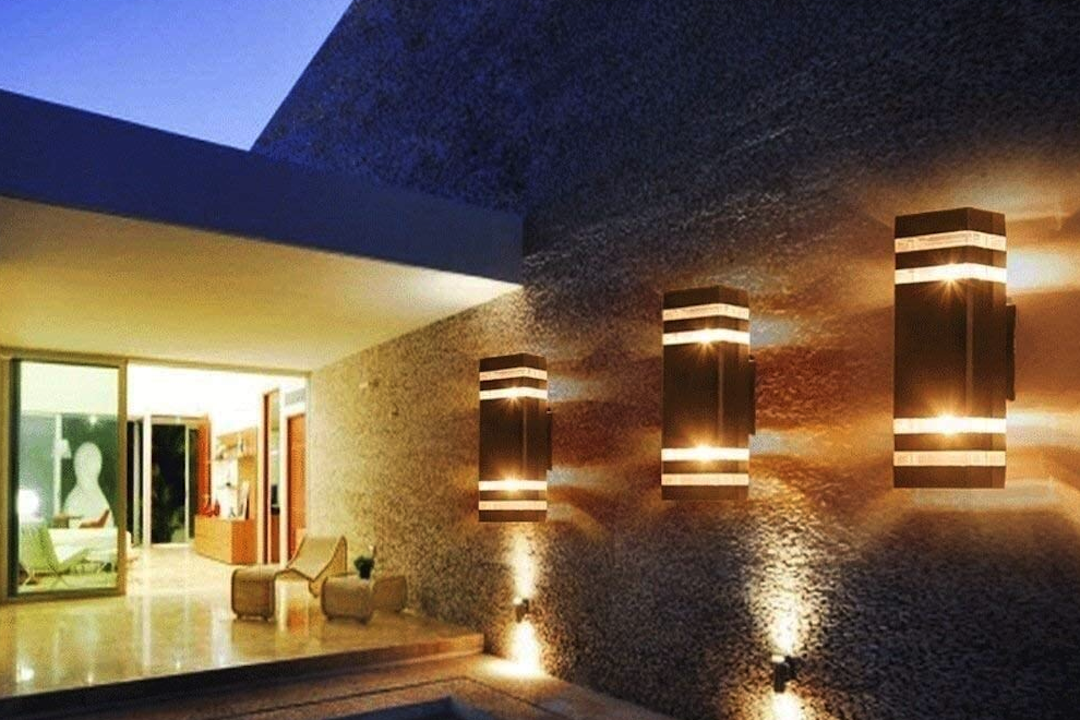
- Wall Washing: Use fixtures that cast light up or down the wall to highlight textures or architectural features.
- Placement Tips: Consider downward-facing lights to minimize light pollution, or fixtures with a gentle, diffused glow. Space them evenly around the perimeter of the seating area.
Garages and Utility Areas
Functionality and security are key here.
- Visibility for Parking: Brightens the area around garage doors for safe maneuvering of vehicles.
- Security: Deters theft from vehicles or workshops. Motion-sensor lights are particularly effective here.
- Access Lighting: Illuminates utility doors or sheds.
- Placement Tips: Mount on either side of the garage door or centrally above it. Ensure the light spread covers entry points.
Pathways and Walkways
While often handled by bollard lights or in-ground lights, wall lamps can also serve this purpose, particularly if adjacent to a wall or fence.
- Guidance: Helps safely navigate paths after dark, preventing trips and falls.
- Accentuation: Can highlight landscape features along a path.
- Placement Tips: Position lights at regular intervals, ensuring consistent light coverage. Avoid placing them too high if the goal is ground-level illumination.
Architectural Accentuation
Highlighting the unique features of your home.
- Uplighting/Downlighting: Fixtures that direct light specifically upwards, downwards, or both (often called “up-down” lights) can create dramatic effects.
- Showing Off Textures: Use light to accentuate brickwork, stone, or unique siding.
- Creating Depth: Strategic lighting can make your home appear more interesting and dimensional at night.
- Placement Tips: Experiment with different directions and intensities to see what works best for your specific architectural elements.
In wrapping up, the ‘Ultimate Patio Outdoor Waterproof Wall Lamp: Die-Cast Aluminum’ isn’t just a product name; it outlines a promise of durability, style, and effective illumination for your outdoor spaces. By understanding the advantages of die-cast aluminum, the importance of proper sealing, and the diverse design options available, you’re better equipped to choose a fixture that not only lights up your world but also stands the test of time and weather, making your outdoor area truly inviting and secure.