Reviving Your Outdoor Space with a Retro 70s Patio Lamp Covered Patio
Thinking about jazzing up your patio with a bit of retro flair? You’re in luck. Bringing a 70s patio lamp into your covered outdoor space isn’t just about light; it’s about atmosphere, nostalgia, and a really cool vibe. It’s a surprisingly practical way to infuse personality and warmth, turning an ordinary patio into something special.
Embracing the 70s Patio Lamp Aesthetic
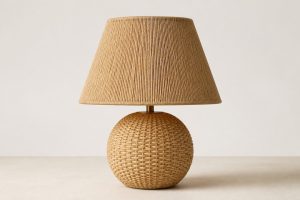
The Yeebu 70s patio lamp isn’t just a light source; it’s a statement piece. Think earthy tones, organic shapes, and materials that evoke a sense of relaxed, groovy living. These lamps often featured materials like wicker, rattan, ceramic, and colored glass, often in shades of avocado green, harvest gold, burnt orange, and warm browns. They weren’t about harsh, bright illumination; they were about creating a soft, inviting glow perfect for evening gatherings or quiet contemplation. When you’re looking for a 70s patio lamp, you’re hunting for something with character, something that feels handmade and a little imperfect, adding to its charm. It’s about recreating a feeling of laid-back fun and a connection to nature, even on your own patio.
The Appeal of Vintage Patio Lamps
Why choose a vintage lamp over something new? Well, for starters, they have a story. Each piece carries a bit of history, a whisper of a different era. They’re often built with a quality and craftsmanship that’s harder to find today. Plus, there’s the satisfaction of breathing new life into an object that might otherwise be forgotten. It’s a sustainable choice, too. Instead of buying new, you’re repurposing something that already exists. And let’s be honest, the unique designs of the 70s often stand out from the sea of modern, minimalist fixtures.
What Defines a “70s Patio Lamp”?
When we talk about a 70s patio lamp, we’re generally referring to outdoor lighting fixtures that emerged from the design trends of that decade. This era was characterized by a move away from sleek, modernism towards more organic, handcrafted, and sometimes whimsical forms.
- Materials: Expect to see a lot of natural materials. Wicker and rattan were huge, bringing a bohemian, earthy feel. Ceramic bases, often in textured or patterned finishes, were common. Colored glass, in hues like amber, green, and even smoky blues, was frequently used for shades, casting a warm, diffused light. Metal was also used, but often with an aged or brushed finish rather than high-gloss chrome.
- Shapes and Forms: Gone were the sharp angles of earlier modern design. 70s lamps favored rounded edges, bulbous bases, and more flowing, sculptural shapes. Think mushroom lamps, globe lights, and fixtures that resembled natural elements like flowers or pods.
- Color Palette: The 70s had a distinctive color palette. Earth tones dominated, with shades like avocado green, harvest gold, burnt orange, and deep browns being very popular. These colors were often incorporated into the lamp’s materials, whether it was the ceramic base, the glass shade, or even the woven elements.
- Functionality: While aesthetics were important, these lamps were also designed for practical outdoor use. They were often designed to be weather-resistant, though older vintage pieces might require some attention to ensure they’re safe for modern use. The illumination was typically softer and more ambient than harsh, functional lighting.
Integrating Your Lamp into a Covered Patio
A covered patio provides the perfect canvas for a 70s patio lamp. The cover offers some protection, extending the lamp’s lifespan and ensuring it’s a functional part of your outdoor living area. It’s not just about placing it somewhere; it’s about making it a focal point that contributes to the overall atmosphere.
Choosing the Right Spot
The placement of your 70s patio lamp is key to its impact. Think about how you use your patio.
- Ambiance Creator: Place it near seating areas. A floor lamp can anchor a conversation pit, while a smaller table lamp can sit on an outdoor side table, providing intimate lighting for drinks or reading.
- Pathfinder: If you have a pathway leading to or through your patio, a strategically placed lamp can illuminate the way, adding both safety and a touch of enchantment.
- Focal Point: Position it where it can be seen and appreciated. Perhaps near a favorite plant or a piece of outdoor art. Its unique design should be allowed to shine.
- Safety First: Ensure the lamp isn’t a tripping hazard, especially if it’s a floor-standing model. Consider its proximity to moving traffic on the patio.
Weatherproofing and Electrical Safety
This is crucial. Vintage items, especially those intended for outdoor use, might need a little TLC to be safe and reliable today.
- Check the Wiring: Old wiring can degrade. If you’re not comfortable assessing or replacing it yourself, get a qualified electrician to look it over. Look for frayed cords, cracked insulation, or any signs of damage.
- Water Resistance: Original weatherproofing might have faded. If your lamp isn’t specifically designed for outdoor use or its protection is questionable, consider using it in a more sheltered part of your covered patio or protecting it further. You might need to seal any porous materials or ensure that any electrical connections are well-protected from moisture.
- Grounding: Modern electrical safety standards include grounding. Make sure your lamp setup includes a proper ground connection to prevent electrical shock.
- Bulb Type: Opt for LED bulbs. They are more energy-efficient, last longer, and produce less heat, which is safer for older lamp materials and reduces the risk of overheating.
Styling Your Patio Around the Lamp
Your 70s patio lamp is the star, but it needs a supporting cast to truly shine. Think about creating a cohesive look that complements its retro charm.
Complementary Furniture and Decor
The furniture and accessories you choose should echo the spirit of the 70s without being a costume party.
- Earthy Materials: Pair your lamp with furniture made from natural materials like wood, rattan, or even some well-maintained wicker. Think Adirondack chairs, a simple wooden bench, or even some plush outdoor cushions in warm, inviting colors.
- Color Palette Harmony: Extend the 70s color scheme. Use cushions, rugs, or throws in shades of burnt orange, avocado green, mustard yellow, or warm browns. Don’t go overboard; a few well-placed accents will do the trick.
- Textiles: Textured fabrics add depth. Think macrame plant hangers, woven throws, or even some outdoor rugs with geometric or shag-like textures.
- Plants: Bring in greenery. Lush plants, perhaps in terracotta pots, will enhance the organic, bohemian feel that the 70s embraced. Consider plants that evoke that era, like ferns or large-leafed tropicals if your climate allows.
Layering Light for Atmosphere
A single lamp can be great, but layering different light sources can create a more dynamic and inviting atmosphere.
- Task Lighting: If you have a dining or bar area on your patio, consider adding some subtle, functional lighting that doesn’t compete with your statement lamp. This could be simple string lights overhead or discreet spotlights.
- Accent Lighting: Use small, directional lights to highlight features like plants, artwork, or architectural elements. This adds dimension and visual interest after dark.
- Ambient Glow: Your 70s lamp is the prime source of ambient light. Its purpose is to provide a soft, diffused glow that makes the space feel cozy and welcoming.
Finding Your Perfect 70s Patio Lamp
The hunt for the right vintage piece can be part of the fun. There are several avenues to explore, each with its own advantages.
Where to Look
Your search might lead you in a few different directions, and each can yield unique treasures.
- Flea Markets and Antique Shops: These are classic hunting grounds for vintage finds. You can often negotiate prices and get a feel for the item’s condition in person.
- Online Marketplaces: Websites like eBay, Etsy, and specialized vintage furniture sites are goldmines. You can filter by keywords like “70s patio lamp,” “vintage outdoor lighting,” or specific materials. Be sure to examine photos closely and read descriptions carefully.
- Estate Sales: These can be fantastic for finding untouched pieces from a specific era. Go early for the best selection.
- Salvage Yards and Architectural Salvage Stores: If you’re looking for something truly unique and are willing to do a bit of restoration, these places can offer incredible finds.
Assessing Condition and Authenticity
When you find a lamp that catches your eye, it’s important to do your due diligence.
- Structural Integrity: Is the base stable? Are there any cracks in ceramic or wood? Is wicker or rattan intact, or are there significant breaks and fraying?
- Electrical Components: As mentioned before, the wiring is critical. If it looks questionable, factor in the cost of professional rewiring.
- Shade Condition: Is the glass intact, or are there chips and cracks? If it’s fabric or wicker, check for mold, mildew, or significant wear.
- Originality: While not always essential, knowing if the lamp is largely original can add to its value and appeal. Look for manufacturer’s marks or consistent design elements.
Beyond the Lamp: Creating a Full Retro Vibe
Your 70s patio lamp is a fantastic starting point, but you can amplify the retro feel with other elements that tie the whole space together.
Incorporating 70s-Inspired Colors and Patterns
The colors and patterns of the 70s are making a comeback, and they’re perfect for an outdoor setting.
- Color Blocking: Bold, contrasting colors were popular. Think about using cushions or outdoor rugs that feature blocks of color like rust and teal, or mustard and olive green.
- Geometric Patterns: Paisley, floral motifs with bold outlines, and geometric designs were everywhere. Incorporate these into fabrics like outdoor pillows, upholstery, or even a decorative planter.
- Natural Textures: Woven materials were a staple. Beyond furniture, think about macrame plant hangers, woven placemats, or even a natural fiber rug.
Adding Accents that Speak to the Era
Small touches can make a big difference in creating an authentic retro atmosphere.
- Outdoor Rugs: A shag-style outdoor rug in an earthy tone can instantly transport your patio back in time. Alternatively, geometric patterned rugs were also very characteristic of the era.
- Planters: Terracotta pots are a timeless choice that fit the 70s aesthetic perfectly. You could also look for ceramic planters in bold colors or with textured finishes.
- Wall Decor: Consider some outdoor-safe art with a groovy vibe. Think abstract designs, stylized nature scenes, or even some vintage-inspired signs.
- Serving Ware: If you entertain on your patio, consider using vintage-inspired or actual vintage serving dishes, glasses, and trays in retro colors and patterns.
By thoughtfully integrating a 70s patio lamp and surrounding it with complementary elements, you can transform your covered patio into a nostalgic, inviting, and stylish retreat that’s perfect for making new memories.