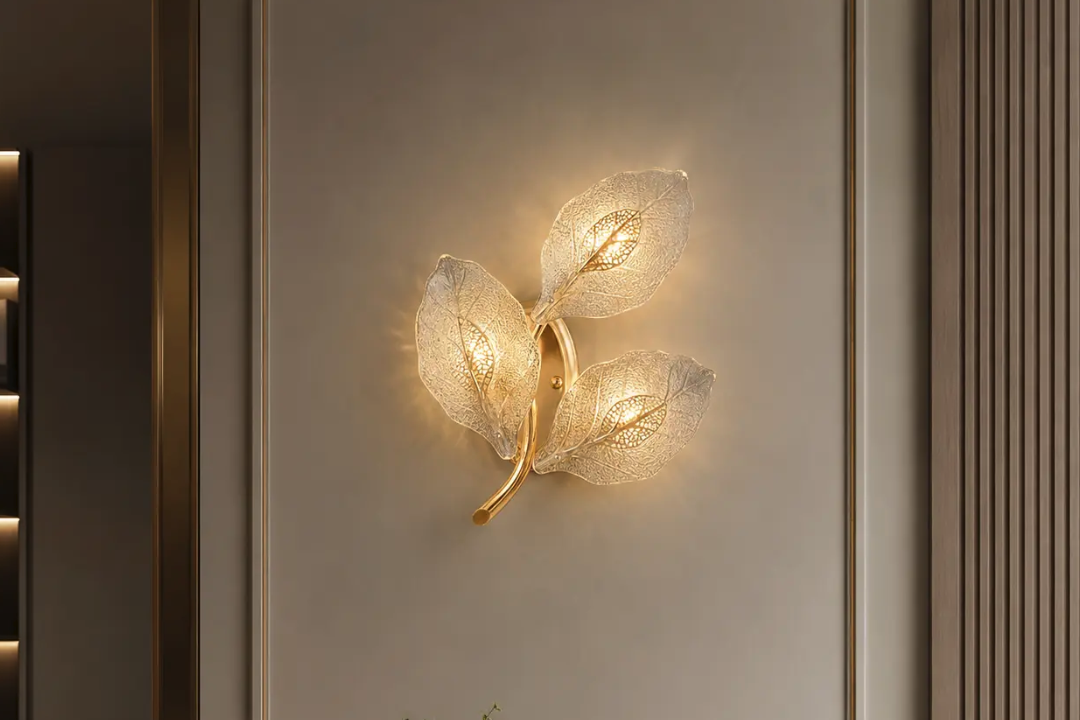
Elegant Gold Leaf Wall Sconce for Formal Hallway
Thinking about an elegant gold leaf wall sconce for your formal hallway? You’re on the right track if you’re aiming for that touch of sophisticated drama. These fixtures aren’t just about lighting; they’re about creating a mood, adding a focal point, and making a grand entrance truly memorable. Let’s break down what makes them work and what you should consider.
Gold leaf wall sconces Laldeen bring a certain undeniable gravitas to a space. In a formal hallway, where you often want to impress and set a tone of refined elegance, they excel. It’s not just about the color; it’s about the texture, the way light interacts with it, and the sheer classic appeal it represents.
Why Gold Leaf?
Gold leaf has been used for centuries to adorn everything from religious icons to royal palaces. Its appeal lies in its lustrous, slightly irregular surface, which
catches and reflects light in a way that polished metals often can’t. This subtle shimmer adds depth and character, making the sconce feel less like a manufactured object and more like a piece of art. For a formal hallway, this equates to an established, luxurious feel.
Beyond Just “Gold”
It’s important to remember that “gold leaf” isn’t a monolithic thing. You’ll find variations:
- True Gold Leaf: This is incredibly thin sheets of actual gold. It’s the most luxurious and expensive option, offering unparalleled warmth and an authentic patina over time.
- Gilding: This can involve various metallic finishes that mimic gold leaf. While not as precious as true gold leaf, high-quality gilding can still provide a beautiful and convincing effect at a more accessible price point. The key is the quality of the finish.
The kind of hallway you have will naturally dictate the level of authenticity you might opt for. A grand, historic home might warrant true gold leaf, while a beautifully renovated modern space could be perfectly complemented by a high-quality imitation.
The Impact on Hallway Aesthetics
A gold leaf sconce in a formal hallway can:
- Add Warmth: Gold inherently brings warmth to a space, counteracting any potential coldness in darker or more minimalist formal settings.
- Create a Sense of Occasion: The inherent richness of gold leaf elevates the everyday act of walking through a hallway into something a bit more special.
- Highlight Architectural Features: Strategically placed sconces can draw the eye to important architectural details like moldings, doorways, or artwork.
Designing with Gold Leaf Sconces: Placement and Proportions
Getting the placement and size right is crucial for making your gold leaf sconce a success in a formal hallway. Too big or too small, or in the wrong spot, and it can feel out of place.
The Importance of Scale
Hallways, especially formal ones, can vary greatly in width and ceiling height.
Ceiling Height Considerations
- High Ceilings: If you have soaring ceilings, you have more freedom to choose larger, more dramatic sconces. Don’t be afraid to let them hang a bit lower to draw the eye upwards and accentuate the verticality of your space. You might even consider a pair of sconces at different heights on a very grand staircase landing.
- Standard Ceilings: For more typical ceiling heights, opt for sconces that are not overly bulky or deep. The goal is to add elegance without making the hallway feel claustrophobic. Measure the width of your hallway and consider the visual weight of the sconce against the wall.
Hallway Width as a Factor
- Wide Hallways: Wider hallways can accommodate more substantial sconces, and you might even consider placing them on opposing walls or at regular intervals to create a sense of rhythm and flow. This can also help to break up long, potentially monotonous corridors.
- Narrow Hallways: In narrower spaces, it’s often best to stick with more streamlined designs. Avoid sconces that protrude too far into the walkway. The visual impact is still there, but the function remains practical.
Strategic Placement
Where you hang your sconces makes a significant difference.
The “Walkway Rule”
- Eye Level (Approximately): A common guideline is to hang sconces at approximately eye level. For most adults, this is around 60-66 inches from the floor to the bottom of the sconce. However, this can be adjusted based on the height of your doorways and the overall scale of your hallway.
- Above Eye Level for Ambiance: Sometimes, placing sconces slightly higher can create a softer, more ambient light that washes down the wall, which can be very effective in a formal setting.
Centering and Symmetry
- Flanking Doorframes: A classic and effective placement is to flank a significant doorway or architectural feature with a pair of sconces. This creates a sense of balance and draws attention to the opening.
- Mid-Wall Placement: If you have a long, uninterrupted wall, placing sconces at regular intervals (e.g., every 6-8 feet) can break up the expanse and guide the eye along the hallway. Ensure the spacing is consistent for a polished look. Always consider what’s being illuminated.
Lighting Goals for a Formal Hallway
What are you trying to achieve with the light?
Accent Lighting
- Highlighting Art and Objects: If you have artwork, mirrors, or decorative consoles in your hallway, position sconces to cast a subtle glow on these features. The gold leaf itself will add a decorative element, but the light it emits can do double duty.
- Creating Shadows and Depth: The way light falls from a sconce can create interesting shadows on the wall, adding a sense of depth and drama that’s perfect for a formal atmosphere.
Ambient Lighting
- Soft, Welcoming Glow: The primary role of sconces in a hallway is often to provide gentle, ambient light that makes the space feel welcoming and navigable, especially at night. They should contribute to the overall mood without being the sole source of light.
- Layering Light: Think of sconces as part of a larger lighting plan. They should work in conjunction with overhead lighting or other sources to create a layered and inviting ambiance.
Styles of Gold Leaf Wall Sconces
The “gold leaf” descriptor can encompass a wide range of styles, from traditional to more contemporary interpretations. Choosing the right style is key to ensuring it complements your existing decor.
Traditional and Classic Designs
These often feature ornate details, a sense of depth, and a richness that speaks to historical aesthetics.
Features to Look For
- Fluted or Scrolled Arms: Look for sconces with arms that have carved details, curves, or a sense of sculpted form.
- Crystal or Glass Accents: Many traditional gold leaf sconces incorporate crystal droplets, etched glass shades, or frosted glass bowls to diffuse the light and add sparkle.
- Bell or Empire Shades: Classic fabric shades or bell-shaped glass diffusers are common, often in cream, ivory, or subtle metallic tones.
- Multi-Arm Designs: Some larger traditional sconces feature multiple arms, offering a more significant light output and a grander visual presence.
Best Suited For
These styles are ideal for period homes, homes with classic architectural features, or spaces where you’re aiming for a very traditional, opulent feel. Think of grand foyers, entryways styled with antique furniture, or libraries.
Transitional and Contemporary Interpretations
Even in formal settings, a more modern take on gold leaf can work beautifully. These designs often simplify classical elements or introduce sleeker forms.
Features to Look For
- Clean Lines, Subtle Detailing: Contemporary gold leaf sconces might feature simpler, more geometric shapes but still incorporate the texture and warmth of gold leaf. The detailing is less ornate and more about the form.
- Minimalist Shades: Instead of elaborate shades, you might see clear glass globes, frosted cylinders, or simple metal diffusers that allow the gold leaf backing to be a prominent feature.
- Integrated LED Lighting: Many modern designs incorporate integrated LED strips, which can offer a very clean and modern aesthetic, with the gold leaf serving as a backplate to reflect the light.
- Abstract or Sculptural Forms: Some high-end contemporary sconces can be quite sculptural, with the gold leaf applied to an abstract metal or resin form.
Best Suited For
These are excellent for more modern formal homes, renovations where you want to blend old and new, or entryways that lean towards a sophisticated, understated glamour. They can also bring a touch of warmth to a more minimalist architectural style.
Material and Finish Variations
Beyond just the gold leaf, consider the materials used for the structure and how they interact with the gold.
Base Materials
- Metal: Solid brass, wrought iron, or even painted metals are common bases for gold leaf. The finish of the base metal can influence the overall look. A brushed nickel base with gold leaf accents will feel different from a dark bronze base.
- Resin or Composite: Less expensive options might use resin or composite materials, which can be molded into intricate shapes before being gilded. Quality varies greatly here.
The “Gold” Itself
- Variations in Gold Tone: Not all gold leaf is the same. You’ll find lighter, almost champagne golds, deeper, richer yellows, and even antique or “aged” gold finishes that have a darker, more patinaed look. Consider how the specific tone of gold will interact with your wall color and other finishes.
- Distressed or Antiqued Finishes: Some gold leaf sconces are intentionally distressed or antiqued to give them a vintage feel, which can be very fitting for a formal hallway that aims for timeless charm.
Choosing the Right Bulb and Light Quality
The bulb is just as important as the sconce itself when it comes to creating the desired atmosphere.
Bulb Type Matters
- LEDs: Increasingly, LED bulbs are the go-to. They are energy-efficient, long-lasting, and come in a vast array of color temperatures.
- Incandescent (Where Available): While phasing out, if you have the option, incandescent bulbs offer a warm, natural light that can be very flattering.
- Halogen: A brighter, whiter light than incandescent, which might be suitable depending on your desired effect.
Color Temperature: The Magic of Warmth
This is perhaps the most critical aspect for creating a warm, inviting glow.
Understanding Kelvin (K)
- Warm White (2700K – 3000K): This is the sweet spot for creating a cozy, inviting ambiance. It mimics the warm glow of traditional incandescent bulbs and is ideal for formal living spaces, hallways, and bedrooms. This will enhance the golden tones of your sconce.
- Neutral White (3500K – 4000K): A brighter, more daylight-like quality. While good for task lighting, it can sometimes feel a bit stark or less welcoming in a formal hallway if used exclusively.
- Cool White/Daylight (5000K+): Generally too blue and clinical for a formal hallway. Avoid these.
Warm Dimmable Options
- The Power of Dimmers: Install dimmer switches on your sconces. This gives you ultimate control over the mood. You can have brighter light for navigation and a much softer, intimate glow for evenings or entertaining. Many LED bulbs are now dimmable and designed to retain their warm color temperature when dimmed.
Light Output and Brightness (Lumens)
- Less is More (Often): For hallway sconces, you don’t typically need extremely high lumen counts. The goal is ambient and accent lighting, not task lighting like in a kitchen or workspace. Overly bright sconces can create glare and feel harsh.
- Consider the Shade: The type of shade or diffuser on your sconce will significantly impact the perceived brightness and how the light is distributed. Frosted or opaque shades will soften the light more than clear glass.
Practicalities: Installation and Maintenance
Elegant as they are, these sconces need to be installed correctly and looked after to maintain their beauty.
Professional Installation is Recommended
Electricity and wall mounting require a certain level of expertise.
Safety First
- Wiring: Incorrect wiring can be dangerous and lead to electrical hazards. A qualified electrician will ensure the sconces are wired safely and to code.
- Structural Integrity: Hallways often have plaster walls, and ensuring the sconces are securely mounted to the studs or appropriate anchors is vital to prevent them from falling.
Getting it Right
- Precise Placement: An electrician can help ensure your sconces are perfectly plumb and level, which is crucial for symmetry and a polished look.
- Dimmer Integration: If you plan to install dimmer switches, an electrician can handle this seamlessly.
Caring for Gold Leaf
Gold leaf, while durable, requires a gentle touch.
Cleaning Gold Leaf
- Dusting: Regular dusting with a soft, dry microfiber cloth is usually all that’s needed. Work gently to avoid snagging or lifting the leaf.
- Gentle Wiping: For any less stubborn marks, slightly dampen a microfiber cloth with distilled water. Never use harsh chemicals, abrasive cleaners, or even tap water, as minerals can damage the leaf.
- Avoid Touching: Try to handle the gold leaf sections as little as possible, as natural oils from your skin can cause discoloration over time.
When to Seek Professional Help
- Significant Damage: If you notice areas where the gold leaf is peeling, chipping, or significantly tarnished, it might be best to consult a professional gilder or restoration specialist. DIY attempts to repair gold leaf can sometimes do more harm than good.
- Protecting the Finish: If your sconces are in an area prone to heavy traffic or potential bumps, consider if the design itself offers some inherent protection, or if you need to add discreet safeguards.
Bulb Replacement
- Access: Before purchasing, check how easy it is to access the bulb socket for replacement. Some enclosed designs can be more challenging.
- Type of Bulb: Ensure you know the correct type and wattage of bulb the sconce is designed for to avoid overheating or damage.
Gold leaf wall sconces truly offer a unique way to elevate a formal hallway, blending classic artistry with functional lighting. By considering their style, placement, and the practicalities of installation and care, you can introduce a touch of enduring elegance that will impress every time you pass through.