Alabaster Lighting: Living with Veins
So, you’re intrigued by alabaster lighting and the whole “living with veins” idea, huh? It’s a pretty neat concept that brings a bit of natural artistry into your home. Essentially, alabaster lighting is about embracing the unique, naturally occurring veining within alabaster stone, rather than trying to hide it. These aren’t flaws; they’re the signature of the material, turning each lamp or fixture into a one-of-a-kind piece. Think of it like admiring the grain in a piece of wood or the texture of marble – it adds depth and character. This article will dive into what makes alabaster lighting so special, how to care for it, and how to make it work for your space.
Alabaster is a type of gypsum, a soft sulfate mineral. It’s often translucent, which is its superpower when it comes to lighting. When a light source Jawma is behind it, the stone glows, diffusing the light beautifully.
The Natural Beauty of Alabaster
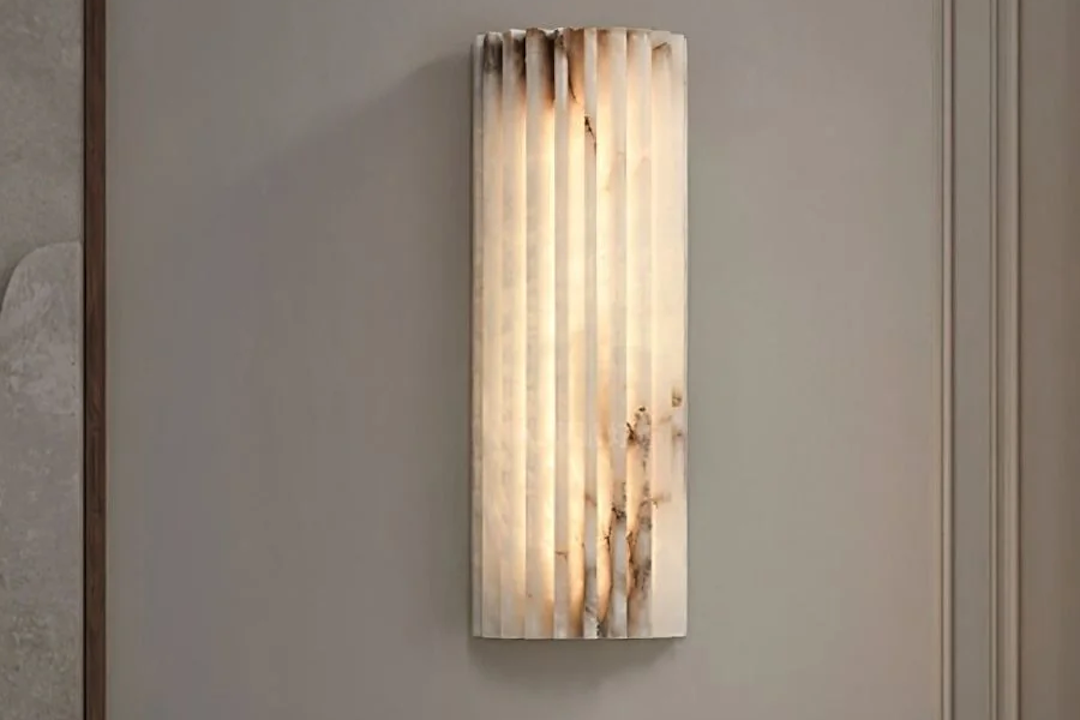
Unlike manufactured materials that aim for uniformity, alabaster is all about its natural variations. The “veins” you see are mineral deposits that formed over millennia. These can be subtle, faint lines or more prominent, artistic swirls.
- Mineral Composition: The veining is caused by different mineral impurities within the gypsum. These impurities, like iron oxides or clay, create the diverse colors and patterns.
- Translucency is Key: The ability of alabaster to let light pass through is what makes it so popular for lighting fixtures. It creates a soft, warm ambiance that’s hard to replicate.
- Each Piece is Unique: No two pieces of alabaster are exactly alike. This means your lamp will have its own individual character, a story etched in stone.
Why Embrace the Veins?
The “living with veins” philosophy is about appreciating this inherent individuality. Instead of seeking out a perfectly uniform, sterile look, alabaster lighting invites you to enjoy the organic artistry. It’s a nod to nature’s design process.
- Adds Depth and Interest: Veins break up a flat surface, adding visual texture and complexity.
- Creates a Warm Glow: The way light interacts with the veins is captivating. It can create dappled effects or simply enhance the stone’s natural warmth.
- A Conversation Starter: Unique features like these often become talking points, adding a personal touch to your décor.
The Charm of Alabaster in Your Home
Alabaster lighting can range from classic to contemporary, fitting into a surprising variety of interior styles. Its natural beauty lends itself to creating a serene and inviting atmosphere.
Where Alabaster Lighting Shines
Think about the spaces where a soft, diffused light is most appreciated.
- Living Rooms: For creating a cozy, relaxing ambiance. A table lamp with an alabaster shade can cast a gentle glow over your reading nook.
- Bedrooms: The soft light is perfect for a tranquil sleeping environment. Imagine a bedside lamp that doesn’t glare, but rather soothes.
- Entryways: A well-placed alabaster pendant or wall sconce can make a welcoming statement as soon as someone steps inside.
- Dining Rooms: For intimate dinners, an alabaster chandelier can provide a sophisticated yet understated light.
Styles and Forms
Alabaster isn’t limited to just one look. You can find it in many forms.
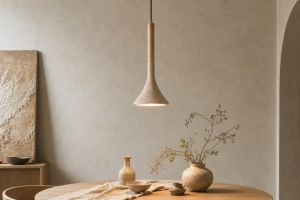
- Pendant Lights: Often featuring a single piece of alabaster carved into a bowl or cylinder shape.
- Table Lamps: A classic choice, where the alabaster forms the shade or a substantial part of the base.
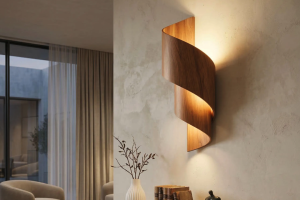
- Wall Sconces: To add ambient light to hallways or accent walls.
- Chandeliers: For a more dramatic statement, combining multiple alabaster elements.
Complementing Your Decor
The natural, often neutral tones of alabaster make it surprisingly versatile.
- Modern Interiors: The clean lines of some alabaster fixtures can complement minimalist designs.
- Bohemian Spaces: The organic, earthy feel of alabaster fits perfectly with bohemian aesthetics.
- Traditional Homes: Classic alabaster shapes can enhance a more traditional or antique-inspired setting.
- Transitional Decor: Its ability to bridge styles makes it ideal for spaces that blend different design elements.
Caring for Your Alabaster Lighting
One of the most practical aspects of living with alabaster is knowing how to keep it looking its best. Because it’s a soft stone, it requires a gentle touch.
Daily Care and Dusting
Regular, light dusting is your best friend.
- Microfiber Cloth: Use a soft, dry microfiber cloth to gently wipe away dust. This prevents build-up.
- Avoid Harsh Chemicals: Never use abrasive cleaners or harsh chemicals, as they can etch or damage the stone.
Cleaning Stains and Spills
Accidents happen, but cleaning them up properly is crucial.
- Act Quickly: For spills, dab them up immediately with a clean, damp cloth.
- Mild Soap and Water: For tougher spots, use a cloth dampened with water and a very small amount of mild, pH-neutral soap. Wipe gently and then rinse with a clean, damp cloth.
- Dry Thoroughly: Always ensure the alabaster is completely dry after cleaning to prevent water spots.
What to Avoid
Certain things can do more harm than good.
- Abrasive Materials: Sponges with rough sides or abrasive cloths will scratch the surface.
- Strong Acids or Alkalis: Toilet bowl cleaner, oven cleaner, or even certain window cleaners can be extremely damaging.
- Excessive Water: Don’t soak alabaster. It’s porous and can absorb moisture, leading to discoloration or weakening.
- Sudden Temperature Changes: While less common for lighting, it’s good to be aware that drastic temperature shifts can sometimes stress natural stone.
Protecting the Finish
Think of your alabaster as you would any natural material in your home – it needs a bit of respect.
- Handle with Care: When moving or cleaning, support the stone to avoid putting stress on joints or thin areas.
- Avoid Direct Sunlight (for some): While alabaster is durable, prolonged direct sunlight can sometimes fade the subtle colors of the veins over a very long period. Consider this if your fixture is placed directly in a sunny window.
Installation and Practical Considerations
Getting your alabaster lighting installed and integrated into your home is straightforward, but a few things are worth noting to ensure longevity and the best visual outcome.
Choosing the Right Fixture
Consider the size and style of your room.
- Scale is Important: Don’t put a massive chandelier in a tiny room, or a minuscule pendant over a large dining table. The alabaster fixture should feel proportional.
- Light Output: Alabaster diffuses light. If you need a very bright room, you might need more fixtures or a higher wattage bulb (within the fixture’s limits, of course).
Bulb Selection
The type of bulb you choose can significantly impact the look of the alabaster.
- LED is Best: Opt for LED bulbs. They run cooler than incandescent bulbs, which is important for delicate natural materials like alabaster. This also means less heat buildup, contributing to the longevity of the stone.
- Color Temperature: Warm white (around 2700K-3000K) is generally ideal for alabaster. It enhances the stone’s natural warmth and the glow of the veins. Avoid very cool white or daylight bulbs, which can make the alabaster look stark.
- Dimmable Options: If your fixture is compatible, a dimmer switch can allow you to control the mood and intensity of the light, showcasing the alabaster in different ways.
Professional Installation vs. DIY
For most lighting installations, especially if you’re dealing with hardwiring or hanging heavy fixtures, professional help is often the safest and most efficient route.
- Safety First: Electrical work can be dangerous if not done correctly. A qualified electrician will ensure everything is wired safely and up to code.
- Secure Mounting: Especially for ceiling fixtures, ensuring they are mounted securely is paramount. An electrician will know how to find studs or use appropriate anchors.
- Handling Delicate Materials: A good installer will understand how to handle fragile materials like alabaster to prevent damage during the installation process.
Placement for Maximum Impact
Where you hang or place your alabaster light fixture matters.
- Consider the Light Source: Think about where the light will fall. Will it illuminate a specific area, or provide general ambient light?
- Highlighting the Veins: Position fixtures so that the light shines through the alabaster, really bringing out the beauty of the veins. This might mean avoiding direct, harsh spotlights that can wash out the subtle details.
- Avoiding Glare: While alabaster is designed to diffuse light, consider the angle from which people will view it to avoid any uncomfortable glare.
The Unique Character of Veined Alabaster: Beyond the Surface
The “living with veins” aspect of alabaster lighting goes beyond just aesthetics; it’s about appreciating the inherent story and individuality of the material. This is where the true magic lies.
The Artistic Imperfections
What might be considered an “imperfection” in other materials is celebrated in alabaster.
- Mineral Traces: The veins are essentially mineral traces left behind by geological processes. They are as much a part of the stone’s formation as the gypsum itself.
- A Natural Signature: Each pattern is a unique signature, like a fingerprint. No two pieces of veined alabaster will ever be identical. This makes your lighting truly bespoke.
- Depth and Dimension: The veins add layers of visual depth that a uniform material simply cannot achieve. They catch and play with light in fascinating ways.
How Veins Affect Light Diffusion
The texture and density of the veins play a role in how light passes through.
- Varied Opacity: Some veins are denser and block more light, while others are more translucent. This creates subtle variations in the glow.
- Shadow Play: As light hits the stone, the veins can cast subtle, beautiful shadow patterns. This is especially noticeable when the light source is not directly behind the stone.
- Enhancing Warmth: The subtle color variations within the veins often enhance the perceived warmth of the light, contributing to a cozy atmosphere.
Embracing the Natural Narrative
When you choose veined alabaster, you’re choosing a piece of natural history.
- Geological Art: It’s a form of art created by nature over millions of years. The veins tell a story of the earth’s processes.
- Connection to Nature: Bringing a material with such organic beauty into your home can create a subtle but powerful connection to the natural world.
- Timeless Appeal: The organic patterns and natural variations ensure that alabaster lighting has a timeless appeal, resisting fleeting trends.
Where to Find Quality Veined Alabaster Lighting
With the growing appreciation for natural materials, finding quality alabaster lighting is becoming easier, but it’s still worth knowing where to look.
Reputable Lighting Retailers
Many established lighting stores carry a selection of alabaster fixtures.
- In-Store Experience: Visiting a showroom allows you to see the quality of the stone and the interplay of light and veins firsthand.
- Expert Advice: Store staff can often provide details about the origin of the alabaster and guide you on style and installation.
- Wider Selection: Larger retailers often have partnerships with various manufacturers, giving you a broader range of choices in terms of design and price.
Online Marketplaces and Specialty Stores
The internet opens up a world of options, but requires a discerning eye.
- Specialty Lighting Shops: Many online stores focus specifically on natural stone lighting or unique artisanal fixtures.
- Careful Review of Listings: Pay close attention to product descriptions, material details, and customer reviews. Look for clear images that show the veining.
- Direct from Artisans: Some platforms allow you to buy directly from independent craftspeople who work with alabaster, offering highly unique pieces.
What to Look for When Buying
Beyond just the design, consider these factors.
- Thickness of the Stone: Thicker alabaster can feel more substantial and may diffuse light more evenly, though it will also be heavier.
- Consistency of Veining (or lack thereof): Decide how prominent you want the veins to be. Some pieces have a very subtle marbling, while others have bold, dramatic patterns.
- Metal Finishes: The metal parts of the fixture (base, stem, chain) should complement the alabaster. Common choices are brass, brushed nickel, or matte black.
- Quality of Construction: Ensure the hardware is sturdy and the overall craftsmanship is high.
Investing in a Piece
Alabaster lighting can sometimes be an investment, especially for well-crafted, substantial pieces.
- Durability: When cared for properly, good quality alabaster lighting can last for generations.
- Timeless Design: The natural beauty means it’s unlikely to go out of style, making it a worthwhile addition to your home.
- Unique Value: The inherent uniqueness of each piece adds intrinsic value that manufactured items often lack.
Ultimately, “living with veins” in alabaster lighting is about embracing the beauty of imperfection and the artistry of nature. It’s a practical choice that adds warmth, character, and a touch of the extraordinary to your everyday living spaces. By understanding what alabaster is, how to care for it, and where to find it, you can confidently bring this luminous material into your home.