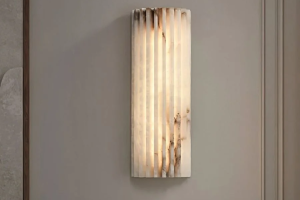
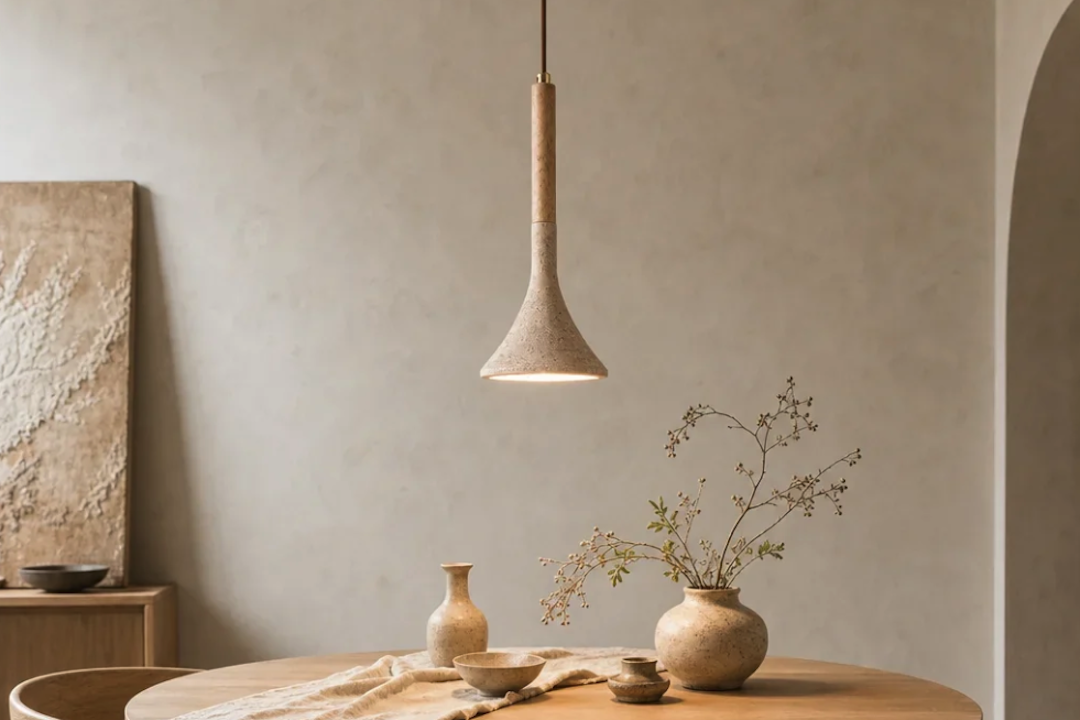
Authentic Excavated Travertine Lighting
So, you’re curious about “authentic excavated travertine lighting,” huh? It sounds fancy, and frankly, a bit niche. The short answer is, it’s lighting fixtures made from genuine travertine stone that has been unearthed, not just quarried for its surface material. This means you’re getting a piece of history, with all its natural variations and imperfections, integrated into your home’s illumination. It’s less about a perfectly polished look and more about a story embedded in stone.
Let’s break down what makes this kind of lighting Mimamoon stand out. We’re not talking about mass-produced lamps with a faux travertine finish. We’re talking about the real deal, dug from the earth.
The Travertine Difference: More Than Just a Pattern
Travertine itself is a type of limestone deposited by mineral springs, especially hot springs. It’s known for its distinctive porous texture and the characteristic holes and hollows that form as gas bubbles or organic matter decompose within the stone. This gives it a unique, almost organic feel.
Excavated vs. Quarried: A Crucial Distinction
This is where the “excavated” part becomes important.
- Quarried travertine is typically sourced for its more uniform, usable slabs and tiles. Think countertops, flooring, wall cladding. The focus is on minimizing imperfections and maximizing the aesthetic of the surface.
- Excavated travertine, on the other hand, often comes from deeper or older deposits, or from areas where the stone might be more fragmented or naturally irregular. The process of excavation can bring to light pieces that have unique textures, colors, and even embedded fossils or ancient organic material. This isn’t waste; it’s character. For lighting, these less “perfect” pieces can become the most beautiful and intriguing elements.
The Art of Integration: From Stone to Light
Creating lighting from excavated travertine involves a careful process. It’s not as simple as carving a block.
- Selection: Skilled artisans will select pieces of travertine that have inherent aesthetic qualities – unique veining, interesting color shifts, or particularly compelling natural holes.
- Shaping and Hollowing: The chosen pieces are then carefully shaped and, crucially, hollowed out to accommodate the lighting elements. This is a delicate balance to maintain the stone’s integrity while creating a functional light fixture.
- Finishing: While the goal is authenticity, there’s often a subtle finishing process to smooth edges, seal porous areas if necessary, and prepare the stone for mounting and wiring. The aim is to enhance the natural beauty, not to mask it.
The Unseen Story: Why Authenticity Matters in Lighting
When you choose authentic excavated travertine lighting, you’re not just buying a lamp; you’re bringing a piece of geological and historical narrative into your home.
A Glimpse into Earth’s History
Travertine forms over vast stretches of time. The stone you’re holding has witnessed millennia.
- Geological Processes: The mineral deposition and formation of travertine are slow, deliberate processes. The layers and textures tell a story of fluctuating water temperatures, mineral concentrations, and geological shifts.
- Fossil Encounters: Sometimes, excavations unearth pieces of travertine with fossilized plant matter, shells, or other ancient organic remnants. These aren’t just decorative; they are direct links to past ecosystems. Imagine a light fixture subtly hinting at life that existed long before humans.
The Imperfection is the Perfection
In a world often striving for flawless uniformity, excavated travertine celebrates its natural irregularities.
- Variations in Color: No two pieces of travertine are identical. You’ll find subtle shifts in creamy whites, warm beiges, earthy browns, and even hints of red or grey, depending on the mineral composition of the original deposit.
- The Texture of Time: The porous nature and the occasional natural voids in excavated travertine aren’t flaws; they are features that contribute to its organic charm and allow light to diffuse in unique ways.
A Connection to Natural Materials
There’s a certain grounding that comes from incorporating natural, unadulterated materials into your living space.
- Tactile Experience: Travertine has a distinct, cool, and often slightly rough texture that invites touch. It feels substantial and real.
- Biophilic Design: Integrating natural elements like stone can contribute to biophilic design principles, fostering a sense of well-being and connection to the natural world, even indoors.
The Aesthetic Appeal: How Travertine Lighting Enhances Your Space
Authentic excavated travertine lighting brings a distinct character that can elevate various interior design styles. It’s not about being trendy; it’s about timeless appeal.
A Natural Complement to Diverse Styles
While it might seem exclusive, travertine’s natural tones and textures can surprisingly blend with a range of aesthetics.
- Organic Modern: This is perhaps the most natural fit. The clean lines of modern design are softened beautifully by the organic, earthy texture of travertine. Think minimalist spaces with a warm, grounded feel.
- Rustic and Farmhouse: The raw, unrefined nature of excavated travertine aligns perfectly with the ethos of rustic and farmhouse styles, adding an authentic touch that manufactured materials can’t replicate.
- Mediterranean and Southwestern: The warm hues and earthy character of travertine make it a natural choice for these warmer climate-inspired designs, evoking sun-drenched landscapes.
- Transitional: Even in more formal or transitional spaces, a carefully chosen travertine piece can add an unexpected element of natural texture and interest, breaking up smoother surfaces.
The Unique Play of Light and Shadow
The porous nature of travertine is a key contributor to its lighting aesthetic.
- Soft Diffusion: The natural holes and voids in the stone allow light to diffuse softly, creating a warm and inviting glow rather than harsh glare. This can create a beautiful ambient light.
- Shadow Play: As light passes through and around the irregular surfaces of the travertine, it creates intricate and ever-changing patterns of light and shadow. This adds depth and dynamism to the illuminated space.
- Highlighting Texture: The light itself helps to emphasize the intricate textures and veining of the travertine, making the material a focal point even when the light is off.
A Statement Piece That Doesn’t Shout
Travertine lighting often has a quiet confidence about it. It doesn’t need to be ostentatious to make an impact.
- Subtle Elegance: The beauty lies in the material’s inherent qualities and the craftsmanship involved. It speaks to a refined taste that appreciates natural artistry.
- Conversation Starter: The unique origin and material of the lighting are likely to spark curiosity and conversation among guests, offering a glimpse into your appreciation for unique and meaningful objects.
Practical Considerations: Bringing Travertine Lighting Home
Before you fall head over heels for that gorgeous travertine lamp, it’s worth thinking about a few practicalities.
Durability and Maintenance
Travertine, like most natural stone, has its own care requirements.
- Porosity: Travertine is naturally porous. While lighting fixtures are usually sealed to some extent, it’s still good to be aware. Spills of colored liquids should be wiped up promptly to prevent staining.
- Cleaning: A soft, damp cloth is usually sufficient for cleaning. Avoid abrasive cleaners or harsh chemicals, which can damage the stone or its sealant. For deeper cleaning, a pH-neutral stone cleaner is recommended.
- Fragility: While stone is generally durable, excavated pieces might have inherent vulnerabilities due to their natural formation. Handle with care, especially when moving or cleaning.
Installation and Wiring
This is where the “lighting” aspect comes into play.
- Electrical Components: Ensure the fixture comes with appropriate, safe, and up-to-code electrical components. Reputable manufacturers will ensure this.
- Weight: Stone can be heavy. Consider the mounting hardware and the surface the fixture will be attached to, especially for hanging pendants or wall sconces.
- Professional Installation: For complex installations, particularly ceiling fixtures, it’s always a good idea to consult or hire a qualified electrician to ensure safety and proper function.
Light Bulb Choice and Heat
The type of light bulb you use can impact the longevity and safety of your travertine fixture.
- LEDs are Best: LED bulbs are highly recommended. They produce very little heat, which is ideal for natural materials like travertine that could potentially degrade or discolor with prolonged exposure to high temperatures. They are also energy-efficient.
- Avoid Halogen: Traditional halogen bulbs generate significant heat and should generally be avoided with natural stone lighting.
- Wattage Limits: Always adhere to the recommended maximum wattage for the fixture, as specified by the manufacturer.
Sourcing Authentic Excavated Travertine Lighting: Where to Look
Finding truly authentic excavated travertine lighting requires a bit more digging than a quick trip to a big box store. It’s about finding sources that prioritize craftsmanship and the integrity of the material.
Artisan Studios and Bespoke Creators
This is often the best place to start for genuine pieces.
- Direct from Makers: Many artists and small workshops specialize in working with natural stone. They often source their own materials and can offer insights into the origin of the travertine.
- Customization Options: Working with an artisan studio might also offer the possibility of a custom-designed piece, allowing you to select a specific travertine piece that speaks to you.
- Understanding the Process: These creators are usually passionate about their craft and can explain the excavation, selection, and fabrication process in detail.
Specialty Lighting Boutiques and Galleries
Some higher-end lighting showrooms or art galleries curate unique, handcrafted pieces.
- Curated Collections: These establishments often have a discerning eye for quality and authenticity, meaning they are more likely to carry genuine travertine pieces.
- Expert Advice: The staff can often provide valuable information about the origin, materials, and design of the lighting.
- Higher Price Point: Expect a premium for curated and authenticated pieces, reflecting the rarity and craftsmanship.
Online Marketplaces (with Caution)
While online platforms can offer variety, it’s crucial to be discerning.
- Research the Seller: Look for sellers with detailed product descriptions, clear photographs, and positive reviews that specifically mention the authenticity of the materials.
- Ask Questions: Don’t hesitate to contact the seller and ask specific questions about the origin of the travertine, how it was excavated, and the finishing processes used.
- “Authentic” vs. “Real”: Be wary of descriptions that use terms like “travertine-inspired” or “faux travertine.” You’re looking for descriptions that explicitly state “excavated travertine” or “genuine natural travertine.” If it seems too good to be true in terms of price, it might be.
Identifying Red Flags When Buying
To ensure you’re getting the real deal, keep an eye out for these warning signs:
- Uniformity: If the stone looks perfectly uniform, with no natural variations in color or texture, it’s likely not excavated or natural.
- “Made in” Country: While not always a definitive indicator, mass-produced items often have different origins than artisanal crafts.
- Lack of Detail: A seller who can’t provide details about the stone’s origin or how the fixture was made might be hiding something.
- Price: Very low prices for something described as unique, natural, and handcrafted can be a sign that it’s not what it claims to be.
By approaching your search with a clear understanding of what authentic excavated travertine lighting entails and where to look, you can find a truly unique and beautiful addition to your home.