Coastal Walnut Wood Gallery Wall Lamp: A Stylish Lighting Solution
So, you’re curious about the Coastal Walnut Wood Gallery Wall Lamp and whether it’s a good fit for your space? In a nutshell, yes, it’s a fantastic option if you’re looking for a lighting fixture that blends natural warmth with modern elegance, specifically designed to highlight artwork. It’s not just about throwing light on a painting; it’s about creating an atmosphere and drawing attention to what matters most in your room. This lamp is built with quality materials and a thoughtful design, making it a practical and stylish choice.
Let’s break down what makes this particular lamp stand out. When we talk about a “gallery wall lamp,” we’re referring to a type of lighting fixture Exeactive designed to illuminate artwork effectively. The “Coastal Walnut Wood” part tells us about its construction and aesthetic.
The “Gallery” Aspect: Focused Illumination
Purpose-Built for Art
The primary function of a gallery wall lamp is to provide focused light directly onto your artwork. This isn’t the same as general room lighting. It’s about creating a spotlight effect that enhances the details, colors, and textures of your paintings, photographs, or prints. The beam is typically directed downwards, ensuring that the art is well-lit without causing glare or washing out the image.
Preventing Damage with Light Quality
Beyond just making art look good, the type of light emitted is crucial. Many gallery wall lamps, including those with walnut accents, are designed to use LEDs that emit a specific color temperature (often around 2700K to 3000K, which is a warm white) and have a high Color Rendering Index (CRI). A high CRI (90+ is ideal) means the light source accurately reproduces colors as they would appear in natural daylight. This is vital for art preservation and appreciation, as it prevents colors from appearing distorted or faded. Furthermore, LEDs produce very little heat, which is essential for protecting delicate artwork from potential damage over time.
The “Coastal Walnut Wood” Element: Material and Style
The Warmth of Walnut
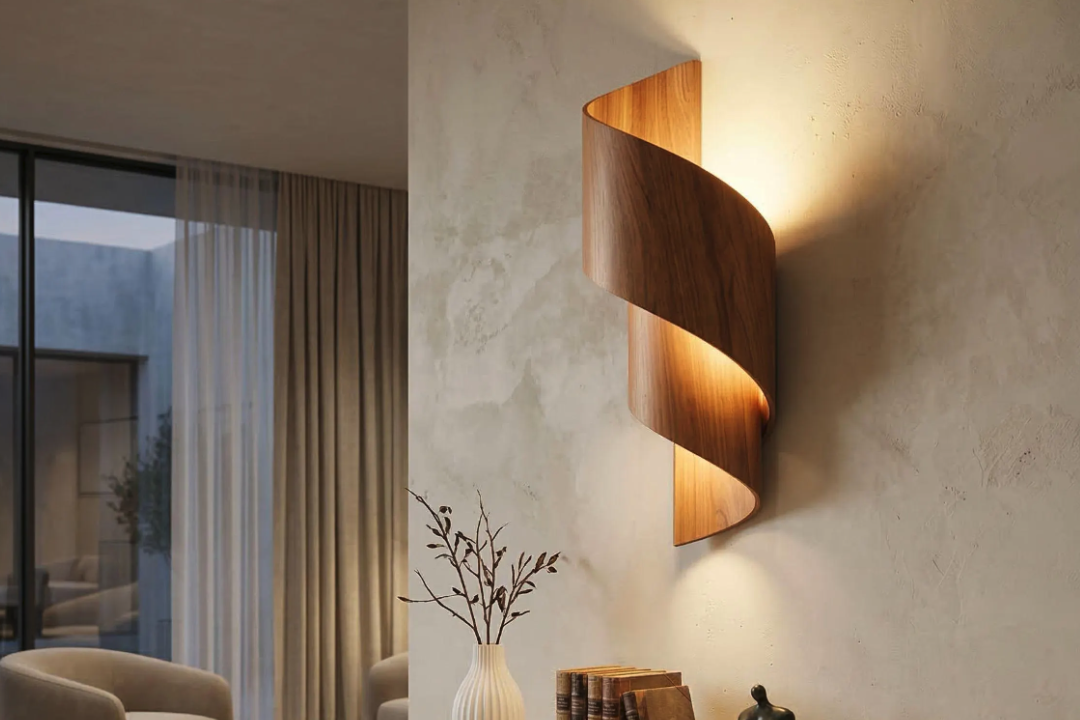
Walnut wood is prized for its rich, deep brown color and its beautiful grain patterns. It offers a sophisticated yet natural feel to any piece of furniture or decor. In the context of a gallery wall lamp, walnut brings an organic warmth that can beautifully complement a wide range of interior design styles, from modern and minimalist to more traditional and rustic.
“Coastal” Influence: Not Just for Beach Houses
While the term “coastal” might evoke images of sandy beaches and seafoam, in interior design, it often signifies a light, airy, and natural aesthetic. When applied to a walnut wood lamp, it suggests a design that integrates the wood’s natural beauty with a sense of ease and understated elegance. It’s about bringing the outdoors in, but in a refined way. This can manifest in the lamp’s shape, its finish (often a natural or lightly oiled finish that lets the wood grain shine through), and its overall profile, which might be sleek and unfussy. It’s a style that works wonderfully in many different settings, not just seaside homes.
Versatility in Design
The combination of focused lighting and the natural beauty of coastal walnut wood makes this type of lamp incredibly versatile. It can be used to illuminate a single statement piece, a carefully curated gallery wall, or even architectural features. The warm wood tones provide a comforting contrast to the often cooler tones of framed art, creating a harmonious visual experience.
Design and Features of Coastal Walnut Wood Gallery Wall Lamps
When you’re looking at a Coastal Walnut Wood Gallery Wall Lamp, there are several design aspects and features that contribute to its overall appeal and functionality. It’s not just about the wood; it’s how the whole fixture is put together.
Lamp Styles and Shapes
Linear and Discreet
The most common style for gallery wall lamps is a linear bar that mounts directly above the artwork. These are often designed to be as discreet as possible, extending just far enough to cast light evenly across the piece without being overly obtrusive. In a coastal walnut design, this bar might have a subtly rounded edge or a matte finish on the wood to enhance its natural texture.
Swivel and Adjustable Arms
Some models offer more flexibility with adjustable arms or heads. This allows you to fine-tune the angle and direction of the light, which is particularly useful if you have multiple pieces of art at slightly different heights or if you want to emphasize certain elements within a larger artwork. The swivel mechanism is usually integrated smoothly into the design, often with minimal visual hardware to maintain the clean aesthetic.
Integrated LED Technology
Energy Efficiency
Virtually all modern gallery wall lamps, especially those designed with a contemporary aesthetic like the coastal walnut ones, come with integrated LED lighting. LEDs are incredibly energy-efficient, meaning they consume significantly less electricity than traditional incandescent or halogen bulbs. This translates to lower energy bills over time, which is a practical benefit for any homeowner.
Long Lifespan
Another major advantage of LEDs is their longevity. They can last tens of thousands of hours, meaning you’re unlikely to need to replace the light source for many years, if not the entire lifespan of the fixture. This reduces maintenance hassle and ongoing costs.
Color Temperature and CRI
Creating the Right Ambiance
The “color temperature” of the light, measured in Kelvin (K), determines how warm or cool the light appears. For art illumination, a warm white light (typically 2700K to 3000K) is usually preferred. This range mimics candlelight or incandescent bulbs, creating a cozy and inviting atmosphere that is also excellent for appreciating the colors in artwork.
Accurate Color Representation
The Color Rendering Index (CRI) is a measure of a light source’s ability to reveal the true colors of objects compared to a perfect natural light source. A CRI of 90 or above is considered excellent for art lighting. It ensures that the colors in your paintings and prints appear just as the artist intended, without any distortion or dulling. Coastal walnut lamps often highlight this feature because the wood itself has rich, natural colors that are best displayed under high-CRI light.
Finish and Mounting Hardware
The Walnut Finish
The finish on the walnut wood is crucial. You’ll often find natural oil finishes, which enhance the wood’s grain and provide a soft sheen, or lacquered finishes that offer a bit more protection and a smoother feel. The aim is usually to highlight the natural beauty of the wood, rather than to paint over it. The “coastal” aspect might imply a slightly lighter, more weathered look to the walnut, or a clean, unadorned application.
Discreet Mounting
The mounting hardware is typically designed to be as unobtrusive as possible. Brackets or plates that attach to the wall are often finished to match the wood or in a complementary metallic tone (like brushed nickel or matte black) that blends in. Some designs might even have concealed mounting systems for a truly seamless look.
Installation and Practical Considerations
Thinking about installing a Coastal Walnut Wood Gallery Wall Lamp involves a few practical steps and considerations to ensure it looks and functions as intended. It’s not usually a complex DIY project, but a little planning goes a long way.
Hardwiring vs. Plug-in Options
Hardwired for a Clean Look
Many gallery wall lamps are designed to be hardwired directly into your home’s electrical system. This is the most professional and aesthetically pleasing option, as it hides all the wiring within the wall for a clean, minimalist look. This typically requires basic electrical knowledge or the help of an electrician.
Plug-in for Flexibility
However, some models are available with a power cord and plug, offering much greater flexibility. This makes installation incredibly easy – you just need to find a nearby outlet. While the cord might be visible, many designs incorporate clever cord management solutions, or you can use cord covers to help them blend in with the wall color. This is a great option if you’re renting or don’t want to undertake electrical work.
Placement is Key
Measuring for the Perfect Spot
The ideal placement for a gallery wall lamp is usually centered above the artwork it’s intended to illuminate. The distance from the top of the frame to the lamp will depend on the size of the artwork and the lamp’s beam angle. A good rule of thumb is to position the light so that the beam covers the entire piece without spilling too much light onto the wall above or below.
Considering the Size of the Art
For a single, large piece of art, a single, longer lamp is often best. For a collection of smaller pieces arranged as a gallery wall, you might use one longer lamp that spans the width of the collection, or potentially two smaller lamps, one for each side, to ensure even illumination.
Aiming the Light
Even with fixed lamps, there’s usually a slight angle to the fixture that directs the light downwards. If you have an adjustable lamp, experiment with different angles to find the sweet spot that highlights the art without creating distracting reflections or shadows.
Power Source Accessibility
Outlet Location for Plug-in
If you opt for a plug-in lamp, carefully consider the location of your nearest electrical outlets. You’ll want to ensure the power cord can reach without being stretched taut or creating a tripping hazard. Sometimes, an outlet might be strategically placed behind a piece of furniture or within a built-in unit to keep the cord out of sight.
Junction Box for Hardwiring
For hardwired installations, you’ll need to ensure there’s an accessible junction box in the wall where the lamp will be connected. If there isn’t one in the desired location, an electrician will need to install one, which can add to the complexity and cost.
Maintenance and Cleaning
Gentle Cleaning for Wood
Walnut wood requires a gentle approach to cleaning. For routine dusting, use a soft, dry microfiber cloth. If you need to address any smudges or light grime, slightly dampen the cloth with water and wipe gently. Avoid harsh chemicals or abrasive cleaners, as these can damage the wood’s finish.
Keeping LEDs Clean
The LED component itself is usually sealed and requires minimal cleaning. If you notice dust build-up on the lens, a gentle wipe with a dry microfiber cloth should suffice.
The Aesthetic Impact of Coastal Walnut Wood in Your Home
Beyond its functional purpose, the Coastal Walnut Wood Gallery Wall Lamp brings a significant aesthetic contribution to your living space. It’s about how it integrates with your existing decor and the mood it creates.
Adding Natural Warmth and Texture
A Counterpoint to Modern Design
In contemporary homes that might feature a lot of cool tones, sleek lines, and metallic finishes, the natural warmth of walnut wood provides a welcome contrast. It softens the overall look and feel of a room, making it feel more inviting and lived-in. The natural grain of the wood also adds a subtle texture that can break up monotonous surfaces.
Bridging Different Design Styles
The “coastal” element, as we’ve discussed, lends itself to a relaxed and natural aesthetic. This makes the walnut lamp a great connector between different design styles. It can complement a minimalist Scandinavian vibe, add a touch of sophistication to a bohemian space, or enhance a more traditional setting. It’s a piece that can adapt and blend.
Highlighting Artwork as the Focal Point
Elevating Your Collection
The primary job of the lamp is to highlight art, but the design of the lamp itself plays a role in how that artwork is perceived. A well-designed walnut lamp frames the art, acting almost like a subtle, built-in frame for the light. This ensures that your artwork remains the undisputed star of the show, drawing the eye and sparking conversation.
Creating a Gallery-Like Atmosphere
By using focused, art-specific lighting, you instantly elevate the ambiance of your home to feel more like a curated gallery. This is particularly effective in hallways, living rooms, or dining areas where you might display a collection of framed pieces. The warm glow from the walnut lamp adds a touch of sophistication and professionalism to your display.
The Influence of Light Quality on Mood
Ambiance and Emotion
The quality of light emitted by the lamp has a profound impact on the mood of a room. The warm, inviting glow of a high-CRI LED in a walnut fixture can create a sense of comfort and tranquility. This is especially important for art that evokes emotion or tells a story. The right lighting can amplify that emotional connection.
Preventing Glare and Enhancing Detail
Good gallery lighting, as provided by these lamps, prevents harsh glare from bouncing off the glass of framed artwork. This allows viewers to appreciate the fine details and subtle nuances of the piece without distraction. The careful aiming of the light ensures that every brushstroke or photographic detail is visible and appreciated.
Where to Use a Coastal Walnut Wood Gallery Wall Lamp
The beauty of this type of lighting is its versatility. While designed for artwork, its aesthetic appeal means it can be used in a variety of contexts within your home.
Above Paintings and Prints
The Obvious Choice
This is the most straightforward application. Whether it’s a single, large canvas or a cluster of smaller framed pieces, a walnut gallery lamp provides the ideal illumination. Position it directly above the artwork to ensure even coverage and to highlight the colors and textures of the piece.
In Hallways and Staircases
Illuminating Passageways
Hallways and staircases are often underutilized spaces that can be transformed with strategically placed art and lighting. A coastal walnut gallery lamp can turn a simple wall into an art gallery, making these transitional areas more engaging and visually interesting. It can also provide crucial safety lighting for staircases.
Highlighting Sculptures or Decorative Objects
Beyond Two-Dimensional Art
While primarily for flat art, the directional light from a gallery lamp can also be used to draw attention to three-dimensional objects. Imagine a small sculpture on a shelf or an interesting architectural detail. A carefully positioned walnut lamp can cast a dramatic shadow or highlight the form and texture of the object.
In Dining Rooms and Living Areas
Enhancing Social Spaces
These are often the rooms where artwork is most prominently displayed. A gallery wall lamp above a focal piece in a dining room can create a sophisticated atmosphere for entertaining. In a living room, it can draw attention to a cherished painting or photograph, making it a natural conversation starter.
In Bedrooms for a Softer Glow
A Touch of Elegance
While often associated with more formal spaces, a smaller walnut gallery lamp can add a touch of understated elegance to a bedroom. Illuminating a calming piece of art above the bed can create a serene and relaxing ambiance, perfect for winding down.
Considerations for Different Room Styles
Modern and Minimalist
The clean lines and natural wood of a coastal walnut lamp can perfectly complement a modern aesthetic. It adds warmth and organic texture without overwhelming the space.
Traditional and Transitional
In more traditional homes, the walnut’s rich tones can blend seamlessly with existing wood furniture and decor. It can provide a refined touch that bridges classic and contemporary elements.
Rustic and Bohemian
The natural, earthy qualities of walnut wood fit perfectly with rustic or bohemian styles. It adds a touch of groundedness and organic beauty, enhancing the laid-back feel of these decors.
Ultimately, the Coastal Walnut Wood Gallery Wall Lamp is more than just a light fixture; it’s a thoughtful design element that enhances both your art and your living space. Its blend of natural materials, focused illumination, and elegant design makes it a practical and stylish choice for anyone looking to add a touch of sophistication and warmth to their home.