Rustic Faux Stone Wall Lamp: The Perfect Addition to Your Wine Cellar
Thinking about adding a touch of old-world charm to your wine cellar? A rustic faux stone wall lamp might just be the ticket. These lamps offer the look and feel of authentic stone but come with a whole lot of practical advantages, making them an excellent choice for bringing character and functional lighting to your wine storage space. Forget the hassle and expense of real stone; these faux options deliver the aesthetic without the drawbacks.
When you picture a wine cellar, what comes to mind? Often, it’s images of cool, dimly lit spaces, perhaps carved into the earth, with rough-hewn wood and, yes, stone. The natural texture and earthy tones of stone have always evoked a sense of permanence, tradition, and a connection to the natural world – qualities that perfectly complement the aging and contemplation of wine. However, actual stone presents several challenges, especially in a cellar environment.
The Downsides of Real Stone
Let’s be honest, real stone is beautiful. But it’s also heavy, expensive to source and install, and can be prone to moisture absorption, potentially leading to issues like mold or mildew in a damp cellar. The weight alone means you might need reinforced walls, adding to the complexity and cost. Then there’s the porous nature of many types of stone, which can be a nightmare for maintaining consistent humidity levels – crucial for proper wine aging.
The Practicality of Faux
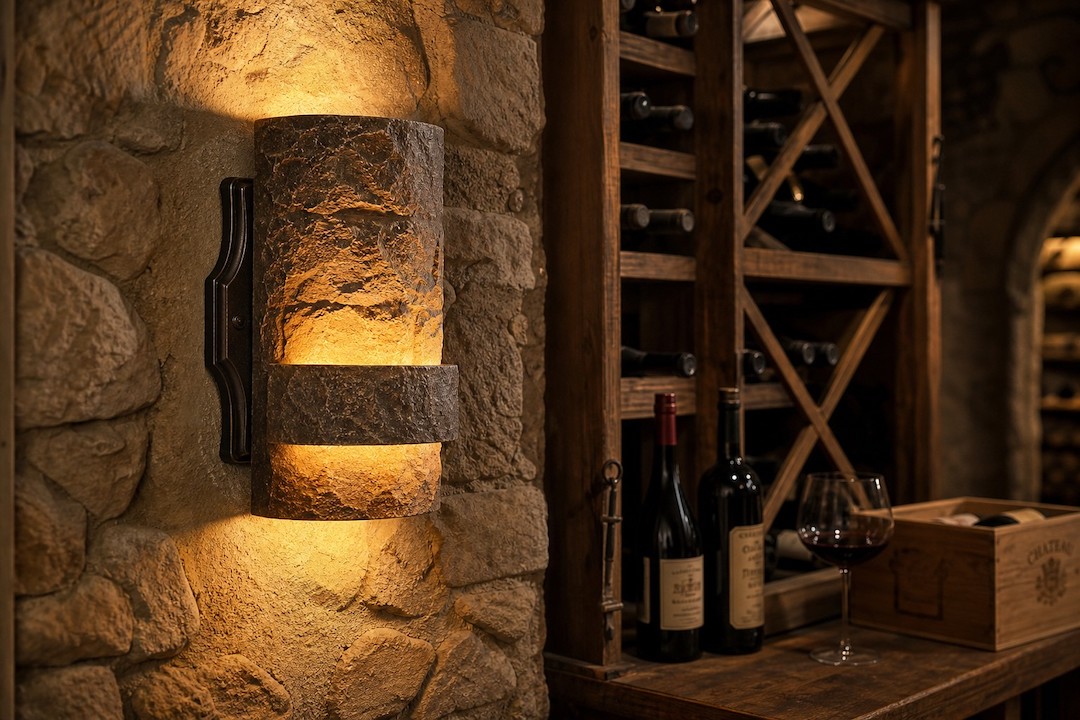
This is where faux stone wall lamps Simiglighting shine. They’ve come a long way from the cheap-looking plastic of yesteryear. Modern faux stone products are crafted from high-density polyurethane, resins, or even lightweight concrete, expertly molded and finished to mimic the texture, color variation, and even imperfections of natural stone. This means you get the desired aesthetic without any of the structural headaches or moisture-related worries.
Lightweight and Easy Installation
One of the biggest wins for faux stone is its weight. You don’t need specialized contractors or structural reinforcements to hang these lamps. They’re significantly lighter than their real stone counterparts, making installation a DIY-friendly project for many homeowners. This translates to cost savings and a quicker path to enjoying your enhanced cellar.
Durability and Maintenance
Faux stone is generally non-porous and resistant to moisture, insects, and rot. This makes it an ideal material for the often damp and cool environment of a wine cellar. Cleaning is usually as simple as a damp cloth, and you don’t have to worry about dealing with crumbling mortar or staining. It’s built to last and maintain its appearance with minimal fuss.
Cost-Effectiveness
When you factor in the material cost, installation labor, and potential structural modifications, real stone can quickly become prohibitively expensive for a decorative element like lighting. Faux stone offers a visually comparable alternative at a fraction of the price, allowing you to achieve that rustic ambiance without breaking the bank.
Illuminating Your Cellar: Designing with Rustic Faux Stone Lamps
Beyond their tactile appeal, these lamps are designed to provide functional lighting while enhancing the overall mood of your wine cellar. The “rustic” aspect often refers to a design that embraces natural textures and a slightly imperfect, handcrafted feel, which is exactly what complements a wine cellar.
Creating the “Cave” Ambiance
The primary goal is often to create a cozy, almost subterranean feel. Faux stone wall lamps, particularly those with a warm, diffused light, are perfect for this. They can cast a soft glow that highlights your wine collection without being harsh or overly bright, which is also better for the long-term storage of wine.
Choosing the Right Style
“Rustic” can encompass a range of styles. Think about whether you prefer a look that mimics weathered fieldstone, rough-cut slate, or even a more uniform cobblestone. The lamp itself might feature wrought iron accents, antique brass fixtures, or simple, exposed bulb designs to further enhance the rustic charm. Consider the existing decor and the size of your cellar when making your selection.
Practical Lighting Needs in a Wine Cellar
While aesthetics are important, functionality is paramount. You need sufficient light to navigate your cellar, read labels, and select your bottles without squinting. However, excessive or direct light can be detrimental to wine over time.
Strategic Placement
Faux stone wall lamps are typically mounted on walls, allowing you to place them strategically. Consider placing them at intervals along pathways, near your racking system, or in seating areas if you have them. This creates pools of light where you need them most. The diffused nature of many faux stone lamps means they won’t cast harsh shadows.
Bulb Selection for Wine Preservation
This is crucial. Opt for LED bulbs with a low lumen output (think 40-60 watts equivalent) and a warm color temperature (around 2700K). These bulbs emit minimal heat and UV light, both of which can damage wine. Many faux stone lamps are designed to house standard bulbs, giving you flexibility. Some even come with integrated LED lighting, which is convenient.
Beyond the Basket: Versatile Applications
While a wine cellar is the quintessential space for a rustic faux stone wall lamp, don’t limit yourself. These versatile fixtures can add character to other areas of your home, especially those where you want to evoke a sense of warmth and natural texture.
The Entrance to Your Cellar
Even before you descend into your wine haven, the entrance can set the mood. A faux stone lamp adorning the wall leading to your cellar door can provide a welcoming and thematic preamble. This is a great way to build anticipation and provide a subtle hint of what’s to come.
In a Home Bar or Taproom
If you have a dedicated home bar or taproom, a faux stone wall lamp can seamlessly tie into a rustic or industrial theme. It adds a touch of ruggedness and can complement wooden bar tops, leather seating, and other natural materials.
Complementing Other Textures
Think about how the faux stone’s texture will interact with other materials in the room. For instance, pairing it with exposed brick, reclaimed wood, or even rough plaster walls can create a cohesive and inviting sensory experience.
An Outdoor Kitchen or Patio Area
For those with a covered outdoor kitchen or a well-appointed patio, a faux stone wall lamp can bring an element of solid, timeless design. Ensure the fixture is rated for outdoor use or in a well-protected area, but the aesthetic of natural stone is often desired in these spaces.
Creating a Cozy Nook
If you have a covered porch or a garden seating area, a faux stone lamp can help define a cozy nook, providing ambient light for evening relaxation. It can lend a more permanent, architectural feel to what might otherwise be a more temporary setup.
The Craftsmanship: What to Look For in Faux Stone Lamps
Not all faux stone is created equal. High-quality faux stone products are designed to be convincing and durable. Understanding the materials and construction methods will help you choose a lamp that truly elevates your space.
The Material Matters: Polyurethane, Resin, and Beyond
The most common materials for quality faux stone are high-density polyurethane and specialized resins. These materials are chosen for their ability to be molded with incredible detail and their inherent durability.
Polyurethane’s Advantages
Polyurethane is lightweight, incredibly durable, and can be finished with very realistic textures and colors. It’s also non-porous, making it resistant to moisture and easy to clean. Many of the best faux stone products are made from this material.
Resin Blends
Resins can also be used, often in blends with other materials to enhance strength and detail. These are also chosen for their moldability and ability to accept realistic finishes. The key is the density and quality of the resin used, rather than just any generic plastic.
The Finishing Touches: Color and Texture Realism
The real magic of convincing faux stone lies in its finishing. Skilled artisans apply multiple layers of paint, stain, and washes to replicate the natural variations in color, mossy undertones, and weathered effects found in real stone.
Hand-Painting for Authenticity
Look for products that show evidence of hand-finishing. This is what gives the faux stone its depth and character, mimicking the subtle color shifts and imperfections that make natural stone so appealing. Too uniform a finish often screams “fake.”
Simulating Age and Weathering
The best faux stone lamps look like they’ve been part of the cellar for years. This might involve simulating the look of natural wear and tear, subtle staining from humidity, or even a light patination over time. This adds to the authentic, lived-in feel.
Installation and Maintenance: Keeping Your Lamp Looking Its Best
While faux stone is remarkably low-maintenance, a little care will ensure your rustic lamp continues to be a focal point for years to come. Installation is straightforward, but understanding the basics will save you time and hassle.
Simple Installation Process
Most faux stone wall lamps are designed for straightforward wall mounting. They’ll typically come with mounting brackets and hardware.
Wall Preparation
Before mounting, ensure the wall is clean and dry. If you’re mounting into drywall, locate studs for the most secure attachment. Most faux stone lamps are light enough that they can be securely mounted with appropriate anchors if studs aren’t available, but always check the manufacturer’s recommendations.
Wiring Considerations
Depending on the lamp, you might need to connect it to your existing electrical wiring. If you’re not comfortable with electrical work, it’s always best to hire a qualified electrician. Some lamps are plug-in, which simplifies installation considerably and is a great option for renters or those who prefer not to do wiring.
Routine Care and Cleaning
The beauty of faux stone is its ease of care.
Dusting and Wiping
Regular dusting with a soft, dry cloth is usually sufficient to keep the lamps looking their best. For any more stubborn dirt or grime, a slightly damp cloth can be used. Avoid abrasive cleaners or harsh chemicals, as these could potentially damage the finish.
Protecting the Finish
While durable, extreme heat or direct, prolonged sunlight can, over time, affect the finish of any material. Since your wine cellar is usually kept at a stable, cool temperature, this isn’t a significant concern. For lamps used in other areas, be mindful of their placement.
Bulb Replacement
When it’s time to replace a bulb, ensure the lamp is completely cool and unplugged. Use the recommended bulb type and wattage as specified by the manufacturer to avoid overheating or damaging the fixture. As mentioned, LEDs are ideal for longevity and energy efficiency, especially in a wine cellar.
By choosing a rustic faux stone wall lamp, you’re not just adding light; you’re infusing your wine cellar with character, history, and a touch of timeless appeal. It’s a practical, visually striking addition that enhances both the function and the soul of your treasured wine space.