Elevate Your Kitchen Sink with a Milk Glass Pendant Light
You’re thinking about spicing up your kitchen sink area and a milk glass pendant light has caught your eye. Good choice! These lights are fantastic for adding a touch of vintage charm and a really pleasant, diffused glow that’s perfect for everything from washing dishes to prepping meals. They’re not just pretty; they’re also really practical. Let’s dive into why they work so well and how you can make them a star in your kitchen.
Milk glass pendant lights Elumlife are more than just a trend; they’re a tried-and-true way to bring both style and excellent functionality to your kitchen. Their appeal lies in a perfect blend of aesthetics and practicality, making your sink area not just a workspace, but a more inviting part of your home.
The Magic of Diffused Light
One of the biggest draws of milk glass is its ability to soften and spread light. Unlike clear glass, which can cast harsh shadows and create glare, milk glass diffuses the light beautifully.
Reducing Glare on Wet Surfaces
This diffusion is particularly beneficial over a kitchen sink. Think about it: your sink is often wet, and direct, harsh lighting can create unpleasant glare that makes it difficult to see clearly and can even be a little dazzling. Milk glass scatters that light, creating a more even, comfortable illumination. This means no more squinting while you’re trying to scrub a stubborn pot or rinse vegetables.
Creating a Softer Ambiance
Beyond the practical, this diffused light creates a warmer, more inviting atmosphere. It softens the entire sink area, making it feel less like a purely utilitarian zone and more like an integrated part of your kitchen’s living space. It can make doing those everyday kitchen chores feel a little less like a chore and a bit more like a moment of calm.
Vintage Charm, Modern Appeal
Milk glass has a rich history, often associated with vintage decor. However, its classic appeal translates surprisingly well into modern kitchens, offering a unique bridge between the old and the new.
A Nod to Nostalgia
For many, milk glass evokes a sense of nostalgia. It might remind them of their grandmother’s kitchen, antique shops, or a simpler time. This inherent charm can add a layer of personality to your kitchen that a more contemporary fixture might not achieve. It’s a way to infuse your space with character and a story.
A Timeless Aesthetic
Despite its vintage roots, milk glass pendant lights are far from outdated. Their clean lines and classic silhouette often blend seamlessly with a variety of interior design styles. Whether your kitchen leans towards farmhouse, mid-century modern, or even a more minimalist approach, a well-chosen milk glass pendant can offer a sophisticated accent that won’t go out of style. It’s a design choice that has staying power.
Durability and Easy Maintenance
Practicality is key in a kitchen, and milk glass delivers. It holds up well to the demands of daily use and is surprisingly easy to keep looking its best.
Resilience in a Busy Space
Kitchens are active environments. Lights above the sink can be susceptible to splashes, steam, and the occasional bump. Milk glass is relatively durable and less prone to chipping or breaking than delicate clear glass or fragile lampshades. This makes it a sensible choice for a high-traffic area like the kitchen.
Simple Cleaning Routine
Keeping your pendant light clean and bright is usually straightforward. A quick wipe down with a damp cloth is often all that’s needed to remove dust or minor kitchen splatters. For more stubborn marks, a mild soap solution will do the trick. This ease of maintenance means you can spend less time cleaning your light fixture and more time enjoying your kitchen.
Choosing the Right Milk Glass Pendant for Your Sink
Selecting the perfect milk glass pendant isn’t just about liking the look; it’s about finding a fixture that complements your kitchen’s style and provides the right amount of light for your specific needs.
Size and Scale Matter
The proportions of your pendant light should be in harmony with the size of your sink area and the overall kitchen. A light that’s too big can overwhelm the space, while one that’s too small can get lost.
Considering Your Ceiling Height
The height of your ceiling plays a big role.
- Standard Ceilings (8-9 feet): A pendant with a shade that’s around 8-12 inches in diameter and hangs about 30-36 inches above the countertop usually works well. You want it low enough to be effective but not so low that it interferes with your head space.
- High Ceilings (10+ feet): You can opt for larger pendants or even a cluster of smaller ones. Ensure the cord is long enough to bring the light down to the optimal working height. A pendant that hangs too high will lose its impact and won’t provide adequate task lighting.
- Low Ceilings (under 8 feet): Choose a more compact pendant and ensure it hangs at least 7 feet from the floor to avoid any head-bumping incidents. Flush-mount or semi-flush mount fixtures might be a better alternative if ceiling height is a significant concern.
Matching the Sink Area
Think about the width of your sink and the cabinet or wall space around it.
- Single Sink: One well-proportioned pendant often suffices.
- Double Sink: You might consider two smaller pendants, perhaps spaced evenly over each basin, or one slightly larger statement piece centered above the entire sink area. Two smaller pendants can provide more balanced light distribution.
- Island Sink: If your sink is part of a kitchen island, the scale of the island will dictate the size and number of pendants. Ensure the lighting doesn’t overpower the island itself.
Style and Shape Exploration
Milk glass pendants come in a variety of shapes and styles, each offering a different aesthetic.
Classic Domes and Globes
These are perhaps the most traditional forms.
- Dome-shaped: Often associated with farmhouse or vintage kitchens, these provide a focused downward light, ideal for task illumination. They have a very comforting, established feel.
- Globe-shaped: These offer a more diffused light in all directions, creating a softer glow that can contribute to a cozier atmosphere. They can add a touch of mid-century modern flair depending on the hardware.
More Contemporary Silhouettes
Don’t limit yourself to just the classics. Many makers now offer milk glass in updated designs.
- Bell-shaped: Similar to domes, but with a slightly more rounded, elegant curve.
- Tapered or Conical: These can offer a more modern, streamlined look.
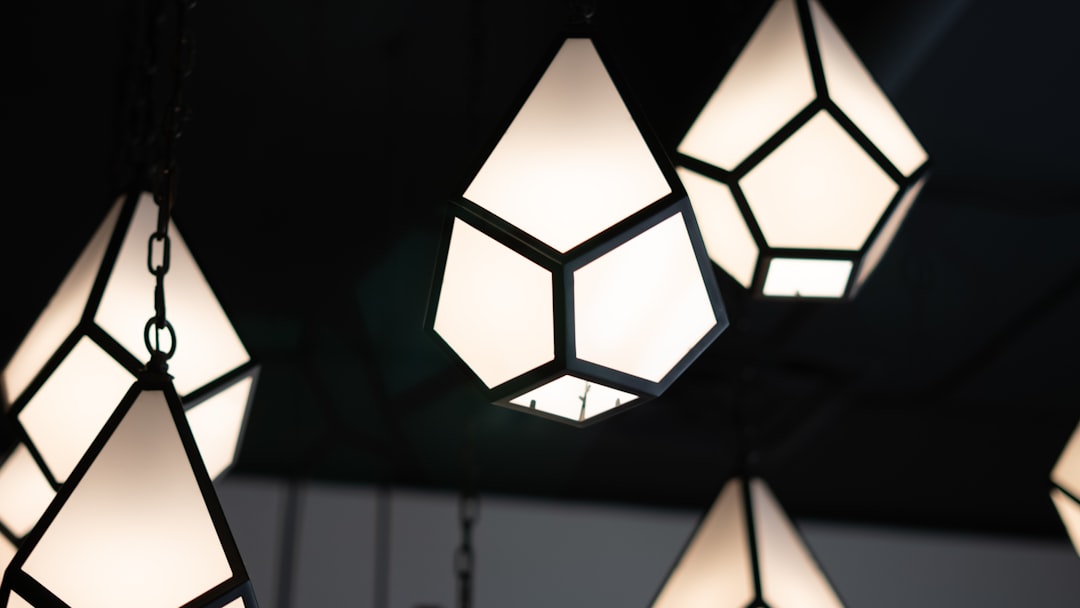
- Geometric forms: Think hexagonal or even cuboid shapes, often with subtle milk glass fronts.
Hardware and Finish Harmony
The metal accents on your pendant light can either blend in or act as a deliberate design element.
Common Metal Finishes
- Brushed Nickel/Stainless Steel: A very versatile option that complements most kitchen designs and hardware. It offers a clean, contemporary look.
- Oil-Rubbed Bronze/Black: Evokes a more traditional or rustic feel, pairing beautifully with farmhouse or industrial styles.
- Polished Brass/Gold: Adds a touch of glamour and warmth, especially effective in more traditional, art deco, or even eclectic kitchens.
- Chrome: A classic choice that brings a sense of brightness and can work well in modern and transitional kitchens.
Matching Existing Fixtures
Ideally, try to coordinate the finish of your new pendant with your existing kitchen hardware, cabinet pulls, faucet, and other light fixtures. This consistency helps create a cohesive and polished look. However, slight variations or a deliberate contrast can also work if done thoughtfully. For instance, if all your hardware is silver, a brass pendant can act as a focal point.
Installing Your Milk Glass Pendant: DIY or Pro?
Deciding whether to tackle the installation yourself or call in an electrician is an important step that depends on your comfort level with electrical work and the complexity of the fixture.
The DIY Route: When It Makes Sense
If you have some basic electrical knowledge and are comfortable working with wiring, a straightforward pendant installation can be a rewarding DIY project.
Assessing Your Skills
- Familiarity with Wiring: Can you confidently identify live, neutral, and ground wires? Do you know how to safely turn off power at the breaker box and test that it’s off?
- Comfort with Tools: Do you have a screwdriver set, wire strippers, pliers, and potentially a voltage tester?
- Understanding Instructions: Can you follow the manufacturer’s installation guide meticulously?
Simple Versus Complex Installations
- Replacing an Existing Fixture: If you’re swapping out an old pendant for a new one in the same location, the wiring is often already in place, making it a simpler job. You’ll primarily be dealing with connecting wires and mounting the new fixture.
- Adding a New Circuit or Location: If you need to run new wiring, create a new junction box, or mount the pendant in a spot without existing wiring, this is significantly more complex and carries higher risk. This is where professional help is strongly recommended.
Safety First, Always
- Turn Off Power: This cannot be stressed enough. Go to your breaker box and turn off the power to the circuit you’ll be working on. Use a voltage tester to confirm the power is off at the junction box before touching any wires.
- Follow Instructions: Read the manufacturer’s manual thoroughly. Each fixture might have slightly different mounting hardware or wiring configurations.
- Don’t Rush: Take your time. Electrical work can be dangerous if done incorrectly.
When to Call a Professional Electrician
For many homeowners, especially those new to DIY or less confident with electrical work, hiring a professional is the safest and most efficient option.
Complex Wiring and New Installations
- Running New Wires: If you need to install new wiring to accommodate your pendant light, this requires knowledge of building codes and safe electrical practices.
- Creating New Junction Boxes: These need to be properly installed and supported to hold the weight of the fixture and ensure electrical safety.
- Relocating Fixtures: Moving a light fixture to a different spot often involves rerouting wires and can be far more involved than simply swapping out an existing light.
Peace of Mind and Code Compliance
- Ensuring Safety: An electrician is trained to identify potential hazards and ensure your installation is safe and up to code. This is crucial for preventing electrical fires or shocks.
- Meeting Building Codes: Electrical work must adhere to local building codes. An electrician will ensure your installation complies with these regulations, which is important for your home’s safety and potential resale value.
- Warranty Considerations: Some manufacturers may require professional installation for warranty purposes.
Efficiency and Expertise
- Speedy Installation: An experienced electrician can typically install a pendant light much faster than a DIYer, especially if the job is complex.
- Troubleshooting: If any issues arise during the installation, an electrician has the expertise to quickly diagnose and resolve them.
Achieving the Perfect Light Output and Placement
Beyond just hanging the light, you’ll want to consider how its light works in your space and where exactly it should be positioned for maximum benefit.
Bulb Choice: More Than Just Brightness
The type of bulb you choose has a significant impact on the quality of light and the energy efficiency of your pendant.
LED vs. Halogen vs. Incandescent
- LED (Light Emitting Diode): These are the modern standard for a reason. They are incredibly energy-efficient, have a very long lifespan, and come in a wide range of color temperatures (warm white to cool white). They also generate very little heat, which is a bonus in a kitchen.
- Halogen: A step up from traditional incandescent but less efficient than LED. They produce a bright, crisp light but generate more heat and have a shorter lifespan.
- Incandescent: While they produce a warm, familiar light, they are the least energy-efficient option and are being phased out in many regions.
Color Temperature Matters
This refers to the “warmth” or “coolness” of the light, measured in Kelvin (K).
- Warm White (2700K – 3000K): This is similar to the light from traditional incandescent bulbs, creating a cozy, inviting atmosphere. It’s often preferred for general kitchen lighting and areas where you want a relaxed feel.
- Neutral White (3500K – 4000K): This offers a good balance, providing crisp light that is still pleasant to work under. It’s a popular choice for task lighting as it makes colors appear more natural.
- Cool White/Daylight (4500K – 6500K): This mimics natural daylight and can make a space feel very bright and energetic. While good for areas where high visibility is paramount, it can sometimes feel a bit sterile for a home kitchen. For a milk glass pendant over the sink, a warm white or neutral white is usually ideal for that pleasant, diffused glow.
Dimmable Options
Consider using dimmable bulbs and a compatible dimmer switch. This allows you to adjust the light intensity from bright task lighting while cooking to a softer, ambient glow for relaxing. It adds a layer of versatility to your kitchen lighting.
Optimal Hanging Height and Spacing
Getting the height and spacing right is crucial for both function and aesthetics.
The “Work Triangle” Principle (Applied to Sink Lighting)
While the traditional work triangle applies to the layout of your kitchen (sink, stove, refrigerator), the principle of adequate light where you need it still applies.
- Task Lighting: The primary function over a sink is task lighting. The light should directly illuminate your workspace without creating shadows.
- Ideal Height: For most standard ceilings, the bottom of the pendant shade should hang around 30-36 inches above the countertop. This generally means the light source itself will be around 60-70 inches from the floor.
- Avoid Head Bumping: Always ensure the lowest point of the pendant isn’t a hazard for anyone standing at the sink.
Spacing for Multiple Lights
If you opt for two pendants over a double sink or an island:
- Even Distribution: Position them to evenly distribute light across both basins or the entire work area.
- Balance: The visual balance of two equally spaced pendants is often more pleasing than one slightly off-center.
- Consider Sink Width: Measure the width of your sink or island and divide it to determine ideal spacing. Leave a few inches of space between the outer edge of the pendant and the edge of the sink or island.
Integrating Your Milk Glass Pendant into Your Kitchen’s Overall Design
A milk glass pendant light is a beautiful accent, but it works best when it feels like a natural part of your kitchen’s broader design scheme.
Complementing Your Cabinetry and Countertops
The style and color of your cabinets and countertops are significant influences in your kitchen’s look.
Matching or Contrasting Finishes
- White or Light Cabinets: A milk glass pendant with darker hardware (like oil-rubbed bronze or black) can offer a lovely contrast. Conversely, a pendant with brighter hardware (nickel or chrome) can create a more seamless, airy feel.
- Dark or Wood Cabinets: A milk glass pendant can act as a beautiful softener. Consider hardware that complements the wood tones, perhaps brass or a brushed gold for warmth, or black for edge.
- Butcher Block Countertops: Natural wood tones pair wonderfully with almost any metal finish on a pendant, offering flexibility.
- Quartz or Granite Countertops: Observe the colors and flecks within your countertops. If there are metallic elements, try to echo those in your pendant’s hardware. A neutral milk glass will adapt well to most countertop styles.
Texture and Shine
Consider the sheen of your cabinets and countertops.
- Matte Cabinets: A slightly more reflective pendant can add visual interest.
- High-Gloss Cabinets: You might opt for a pendant with a slightly less reflective finish or one with a matte metal accent to balance the shine.
Coordinate with Other Kitchen Lighting
Your sink pendant shouldn’t exist in isolation. It’s part of a layered lighting plan.
Layering for Function and Ambiance
- Ambient Lighting: This is the general overhead light for the entire kitchen (e.g., recessed lights or a ceiling fixture). Your milk glass pendant provides focused task lighting.
- Accent Lighting: This could be under-cabinet lighting, which is fantastic for illuminating your countertops and making your task lighting even more effective, or potentially lighting inside glass-front cabinets.
- Harmony: Ideally, your pendants, recessed lights, and any other fixtures should work together. If your ambient lighting is cool white, and your pendant is warm white, this can create a pleasing contrast and atmosphere.
Avoiding a Cluttered Look
- Consistent Style: While styles can vary, aim for a general coherence. If you have very modern, sleek recessed lights, a very ornate vintage pendant might feel out of place unless you’re intentionally going for an eclectic mix. A simple milk glass pendant often bridges styles effectively.
- Control: Ensure you have separate controls for different lighting layers. This allows you to adjust the mood – bright for cooking, dim for dining, or just ambient for relaxing.
The Power of a Statement Piece
Your milk glass pendant can be more than just a light source; it can be a focal point that draws the eye and adds personality to your kitchen.
Making it a Design Feature
- Color Pops: While milk glass is typically white, the hardware can introduce color. A brass pendant can add warmth and a touch of luxury. Black hardware adds a modern, graphic element.
- Silhouette: The shape of the pendant itself can be a design element. A unique bell shape or a vintage-inspired schoolhouse style can add character.
- Grouping: As mentioned, sometimes two or three smaller pendants can create a more impactful visual statement than one large one.
Balancing with Simplicity
- Don’t Overdo It: If your kitchen is already very busy with bold patterns or colors, a simpler milk glass pendant might be best to avoid overwhelming the space.
- Let it Shine: Sometimes, the beauty of milk glass is its understated elegance. Allow the gentle glow and classic form to be the star, without competing with other strong design elements. By thoughtfully choosing and placing your milk glass pendant, you can transform your kitchen sink area from a purely functional space into a beautifully lit and inviting part of your home.